
Fuel austerity dampens outlook for India’s annual product demand growth

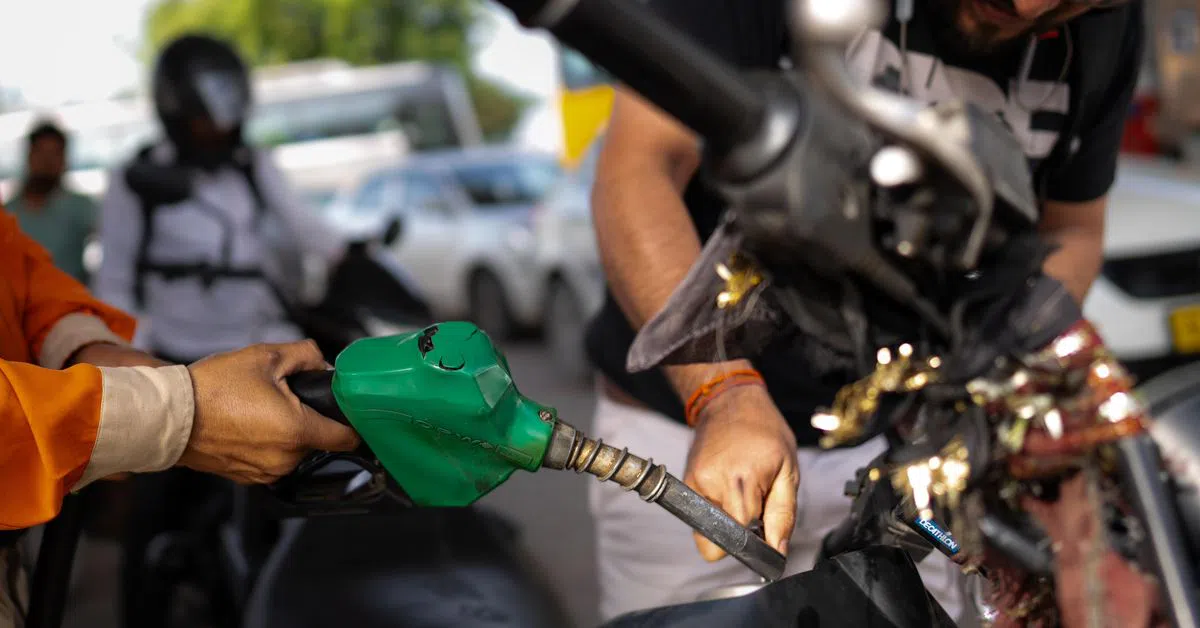
New Delhi, May 24: India’s transportation fuel demand growth is expected to slow sharply in the second half of 2026 as a mix of higher fuel prices, government-led conservation efforts, and macroeconomic pressures weigh on consumption patterns, according to energy analysts.
The outlook has weakened after petrol and diesel prices were raised by around ₹5 per litre in recent weeks, following a spike in global crude oil prices and continued currency depreciation. These increases have coincided with official calls for citizens and institutions to reduce fuel usage, limit non-essential travel, and adopt remote work where possible.
Fuel price hikes and policy push
Retail fuel prices were increased in multiple stages starting mid-May as oil marketing companies passed on part of higher international crude costs. At the same time, government messaging has emphasised fuel conservation as a macroeconomic necessity, linking it to inflation control and foreign exchange stability.
Analysts say this combination of higher prices and behavioural nudges is likely to moderate mobility and reduce discretionary travel demand across urban and rural segments.
Revised demand forecasts
A recent energy market assessment has significantly downgraded India’s refined products demand outlook for 2026, cutting projected growth by nearly 39%. The revision reflects weaker expectations for both petrol and diesel consumption as economic uncertainty and cost pressures intensify.
Petrol demand is expected to face the sharpest slowdown, with commuting and personal travel growth weakening compared to earlier estimates. Diesel, which is closely tied to freight movement and industrial activity, has also seen its growth projections reduced, while jet fuel demand forecasts have been cut by nearly half, indicating softer aviation demand expectations.
Impact on mobility and consumption
Petrol consumption, which was previously projected at higher levels, is now expected to grow more slowly due to reduced discretionary travel and softer commuting trends. Diesel usage, a key indicator of economic activity, is also expected to reflect slower logistics movement and industrial demand.
Jet fuel consumption is similarly projected to lose momentum, suggesting that air travel growth may moderate as households and businesses adjust spending in response to higher energy costs.
Macroeconomic pressures and currency impact
The slowdown in fuel demand is also being shaped by broader economic conditions, including a weaker rupee and elevated crude oil prices. Currency depreciation increases the cost of imported oil, adding pressure on domestic fuel pricing and inflation.
At the same time, foreign exchange reserves have come under pressure, prompting policy efforts aimed at reducing import intensity and managing external balance risks. This has reinforced the government’s emphasis on fuel conservation as part of a broader macroeconomic stabilisation strategy.
Refinery and pricing challenges
State-run fuel retailers continue to face pressure from a gap between retail prices and import costs. Despite recent price increases, retail fuel rates remain below estimated breakeven levels, meaning oil marketing companies are still absorbing losses.
Analysts note that pricing constraints, combined with global oil volatility, have limited the ability of refiners to fully pass on costs to consumers, adding to financial stress across the supply chain.
Outlook for fuel consumption
While India’s fuel demand is not expected to decline outright, the pace of growth is likely to slow meaningfully unless global crude prices ease or the rupee stabilises. Policymakers may also need to balance inflation control with energy affordability if price pressures persist.
Overall, the report suggests a shift in priorities toward macroeconomic stability, with fuel demand growth taking a back seat to inflation management, currency protection, and energy security.
