
RBI Keeps Repo Rate Unchanged at 5.25%, Projects FY27 Inflation at 5.1%

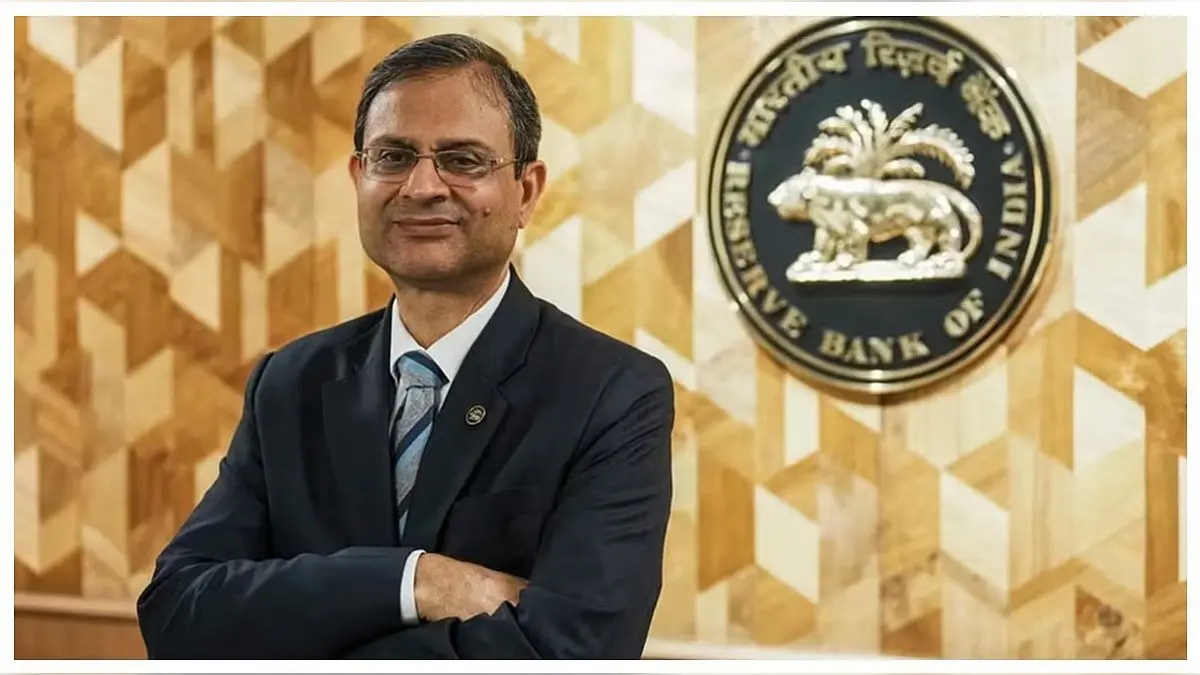
New Delhi, June 05: The Reserve Bank of India (RBI) has decided to keep the benchmark repo rate unchanged at 5.25 percent, opting for caution amid global uncertainties, inflation risks, and concerns over economic growth.
The decision was announced by RBI Governor Sanjay Malhotra following the Monetary Policy Committee’s (MPC) meeting held between June 3 and June 5.
The six-member MPC also retained its “neutral” policy stance, signaling that future rate actions will depend on evolving economic conditions rather than following a predetermined path. Alongside the repo rate decision, the Standing Deposit Facility (SDF) rate was kept at 5 percent, while the Marginal Standing Facility (MSF) rate and Bank Rate remain at 5.5 percent.
Global Uncertainty Weighs on Policy Decisions
The RBI highlighted growing global risks as a key factor behind its decision to maintain the status quo. Ongoing geopolitical tensions in West Asia, elevated energy prices, and disruptions in global supply chains continue to cloud the economic outlook.
According to Governor Malhotra, these developments are affecting economic activity worldwide and creating fresh challenges for growth and inflation management.
RBI Cuts Growth Forecast for FY27
Reflecting a more cautious outlook, the central bank revised India’s GDP growth projection for FY2026-27 to 6.6 percent.
The quarterly growth estimates are projected at 6.6 percent for the first quarter, 6.3 percent for the second quarter, 6.5 percent for the third quarter, and 6.8 percent for the fourth quarter.
The RBI noted that while the Indian economy remains resilient, high-frequency indicators suggest some moderation in economic activity. Policymakers also flagged risks arising from weaker monsoon forecasts and the potential impact of El Niño conditions on agricultural output.
Inflation Expected to Average 5.1%
The RBI now expects consumer price inflation to average 5.1 percent during FY27.
Inflation is projected at 4.2 percent in the first quarter before rising to 5.1 percent in the second quarter. The central bank expects inflation to peak at 5.9 percent during the third quarter before easing slightly to 5.4 percent in the final quarter of the financial year.
Food prices remain a major concern for policymakers, particularly given uncertainties surrounding the southwest monsoon and weather-related risks that could affect agricultural production.
Balancing Growth and Inflation
The MPC emphasized that considerable risks remain for both growth and inflation. While economic expansion continues, global uncertainties and domestic weather-related factors could influence future outcomes.
By retaining a neutral stance, the RBI has preserved flexibility to respond to changing conditions. The central bank can choose to support growth if economic momentum weakens further or focus on inflation control if price pressures intensify.
Markets Welcome the Decision
Financial markets reacted positively to the policy announcement, as the decision broadly matched expectations. Investors viewed the RBI’s cautious approach as a sign of stability during a period marked by global volatility and domestic economic challenges.
With inflation still above the RBI’s long-term comfort zone and growth facing external headwinds, policymakers appear focused on maintaining a balance between supporting economic activity and preserving price stability.
