
More Than Half of Older Petrol Vehicle Owners Want Lower-Ethanol Fuel Options Back, Survey Finds

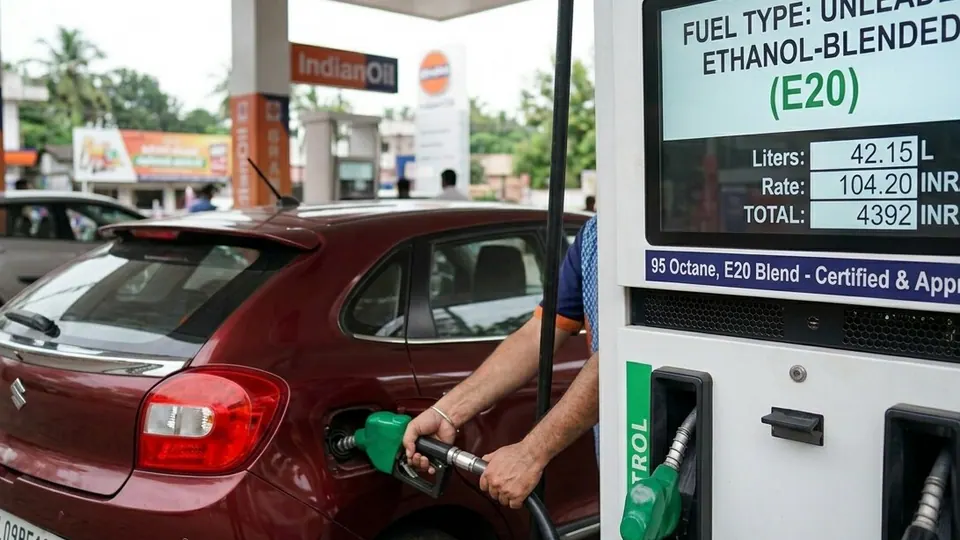
New Delhi, June 05: India’s ambitious push toward ethanol-blended fuel is helping reduce dependence on imported crude oil and supporting cleaner energy goals.
However, a new survey suggests that many owners of older petrol vehicles are experiencing unintended consequences, including lower fuel efficiency and higher maintenance costs.
According to a survey conducted by LocalCircles, a majority of petrol vehicle owners whose cars and two-wheelers were manufactured before 2023 would prefer the option of using lower-ethanol fuels such as E0 or E10 instead of the now widely available E20 petrol.
Understanding E0, E10 and E20 Fuel
The letter “E” refers to ethanol content in petrol. E0 contains no ethanol, E10 contains 10 percent ethanol, and E20 contains 20 percent ethanol blended with petrol.
India began its ethanol blending programme in 2003, with the objective of reducing fuel imports, lowering emissions, and supporting domestic biofuel production. In recent years, the blending target has accelerated significantly as part of the country’s broader energy security strategy.
Vehicle Owners Report Higher Costs
The survey found growing dissatisfaction among owners of older petrol vehicles following the transition to E20 fuel.
More than half of respondents reported spending additional money on fuel and vehicle maintenance since the wider adoption of E20. Many participants attributed these expenses to reduced mileage, increased fuel consumption, and higher repair requirements.
Among those surveyed, a significant proportion reported additional annual costs exceeding ₹5,000, while some claimed expenses had risen by more than ₹15,000 due to increased running and maintenance costs.
Concerns About Fuel Efficiency
One of the biggest complaints among vehicle owners relates to fuel economy. Ethanol contains less energy per litre than conventional petrol, which can lead to a slight reduction in mileage.
While official estimates suggest the impact on fuel efficiency should be relatively limited, many respondents believe the real-world decline is more noticeable, particularly in older vehicles that were originally designed for lower ethanol blends.
Increased Wear and Tear Worries Drivers
Beyond fuel consumption, some owners have expressed concerns about the long-term impact of E20 fuel on vehicle components.
Previous surveys found that a number of respondents experienced increased wear and tear affecting parts such as fuel lines, fuel tanks, carburettors, and engine components. Although vehicle manufacturers have increasingly introduced E20-compatible models, many older vehicles were not originally engineered for higher ethanol concentrations.
Strong Demand for Alternative Fuel Choices
The survey suggests there is substantial interest in having lower-ethanol fuel options available alongside E20.
More than half of respondents indicated they would switch back to E0 or E10 fuel if it were offered at petrol stations. Interestingly, many said they would make the switch even if the lower-ethanol fuel carried a slightly higher price.
The findings indicate that consumers are prioritizing vehicle performance, mileage, and maintenance costs over fuel pricing alone.
Balancing Policy Goals and Consumer Concerns
The debate highlights a broader challenge for policymakers. Ethanol blending delivers several national benefits, including reduced crude oil imports, lower greenhouse gas emissions, and increased support for India’s agricultural and biofuel sectors.
At the same time, owners of older vehicles argue that they should have greater flexibility in choosing fuels that best suit their vehicles’ design and operating requirements.
What Happens Next?
As India continues expanding its ethanol programme, questions around consumer choice, vehicle compatibility, and fuel efficiency are likely to remain part of the conversation.
While E20 fuel is expected to play a key role in the country’s long-term energy strategy, the survey suggests many motorists would welcome the return of lower-ethanol alternatives, particularly for vehicles manufactured before widespread E20 compatibility became standard.
The discussion reflects the challenge of balancing environmental objectives with the practical concerns of millions of vehicle owners navigating a changing fuel landscape.
