
India targeting expansion in medical value tourism: Commerce Minister

New Delhi, Sept 7: India is targeting a major expansion in medical value tourism, with the government aiming to increase the number of international patients treated in the country to at least 10 million annually.
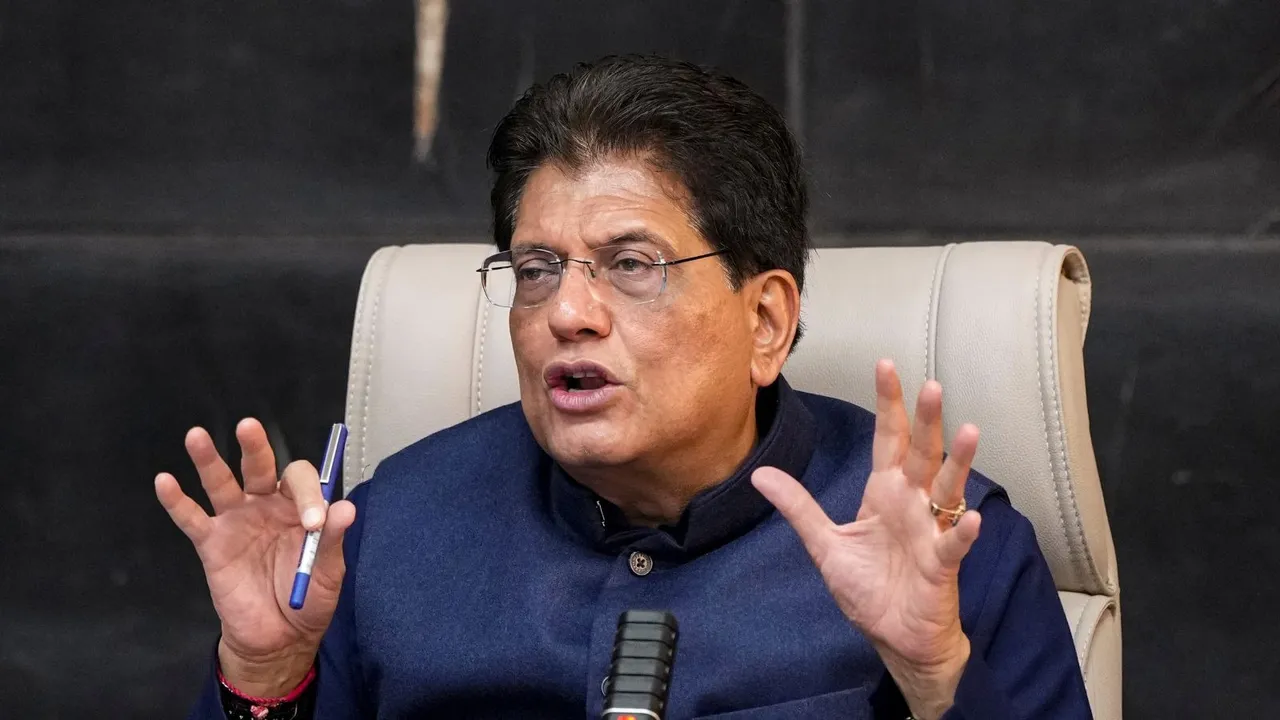
Union Commerce and Industry Minister Piyush Goyal said India’s healthcare ecosystem had the potential to create jobs, generate new business opportunities and strengthen the country’s position as a global healthcare destination.
Speaking at an event in New Delhi, Goyal highlighted India’s capabilities across hospitals, pharmaceuticals, medical equipment, diagnostics and traditional medicine. He said the country also had a large pool of skilled doctors, nurses and technicians, giving it a strong base to compete for international healthcare demand.
Goyal said changing healthcare conditions in several countries could create significant opportunities for India.
Rising medical costs, ageing populations, long waiting periods and shortages of tertiary care are prompting patients to look beyond their domestic healthcare systems for specialised and affordable treatment.
India’s cost advantage could further strengthen its appeal among international patients. Goyal said healthcare treatment in India could cost 60 to 80 per cent less than in other parts of the world, particularly developed economies, while patients could also access advanced technologies and clinical expertise.
The minister said around 3.5 million patients had benefited from India’s medical value tourism ecosystem over the past seven years. He said the sector should build on this base and work towards treating at least 10 million international patients every year.
Goyal said expanding medical tourism would require healthcare providers to improve the overall patient experience rather than focus only on treatment costs and clinical capabilities.
Greater transparency and easier access to healthcare services would be important as India competes with other international medical tourism destinations.
He called for transparent treatment packages, quicker insurance reimbursements and wider availability of cashless payments. Greater use of tele-consultations and the creation of a pool of interpreters were also suggested to make the treatment process more convenient for patients travelling to India from different countries.
Goyal also stressed the importance of maintaining high standards, ethics and integrity as the sector expands. According to him, India’s ability to combine affordable treatment with clinical quality and reliable patient services would be central to achieving its long-term medical tourism ambitions.
The government is also looking to take medical value tourism beyond India’s major metropolitan centres. Goyal said tier-2 and tier-3 cities could play a larger role as improvements in air and transport connectivity make healthcare facilities in these locations more accessible to international patients.
He pointed to the expansion of India’s airport infrastructure as a key factor supporting this growth. The number of airports has increased from 74 in 2014 to nearly 165-170, while the government is working towards a network of more than 200 airports.
The expansion of medical value tourism is therefore being positioned as both a healthcare and economic opportunity.
With its combination of lower treatment costs, medical expertise, specialised infrastructure and improving connectivity, India is seeking to establish itself as a major global hub for healthcare and wellness services. (BVI)
