India may introduce plastic banknotes as RBI explores ways to reduce currency printing costs

Recover your password.
A password will be e-mailed to you.

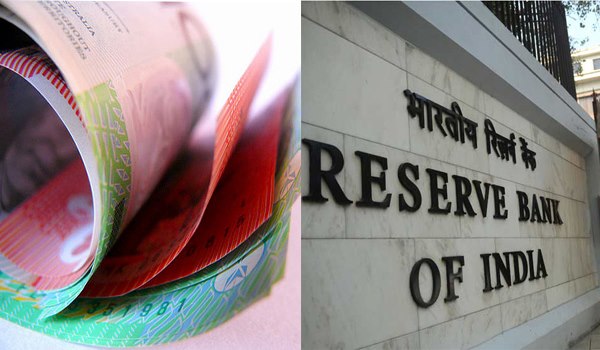
New Delhi, May 29: Reserve Bank of India is reportedly considering the introduction of polymer, or plastic, banknotes as part of efforts to reduce the rising costs associated with printing and replacing paper currency. According to reports, the proposal has been discussed during recent RBI board meetings, and a pilot project may soon be announced.
Polymer banknotes are currency notes made from synthetic plastic-based materials instead of traditional cotton paper. These notes are designed to be more durable and resistant to moisture, dirt, tearing, and general wear and tear.
Unlike paper notes, polymer notes typically have a longer lifespan in circulation, making them a cost-effective option for countries dealing with heavy currency usage.
Reports suggest that the RBI is exploring polymer banknotes primarily to reduce the increasing burden of printing replacement notes.
According to the RBI’s FY25 annual report, expenditure on printing currency notes rose sharply to around Rs 6,372.8 crore, compared to Rs 5,101.4 crore in FY24. The increase was reportedly driven by higher demand for fresh banknotes and the growing volume of damaged currency being withdrawn from circulation.
During FY25, approximately 23.8 billion soiled or worn-out notes were removed from circulation — a significant rise from the previous year. Rs 500 notes reportedly accounted for the largest share of discarded currency, followed by Rs 100 notes.
Experts say polymer banknotes offer several advantages over traditional paper currency:
Additionally, polymer notes can be recycled after removal from circulation. Once shredded, the material can be converted into plastic pellets used to manufacture products such as furniture and other utility items.
Polymer banknotes were first introduced by Australia in 1988. Since then, several countries have adopted the technology, including Canada, New Zealand, Vietnam, Romania, and Mauritius.
These countries have largely reported improved durability and reduced long-term currency management costs.
According to reports, RBI is considering launching a pilot programme to test polymer banknotes before making a larger rollout decision.
If implemented, the move could mark one of the biggest changes to India’s physical currency system in recent years, especially as the country continues balancing rising digital payments with strong cash usage across many regions.

This website is about News related to Business, Economy and Corporates in India and beyond.
Recover your password.
A password will be e-mailed to you.