
The Great Nicobar Island Development Project: Why It Is in the News, What’s Planned and What’s at Stake

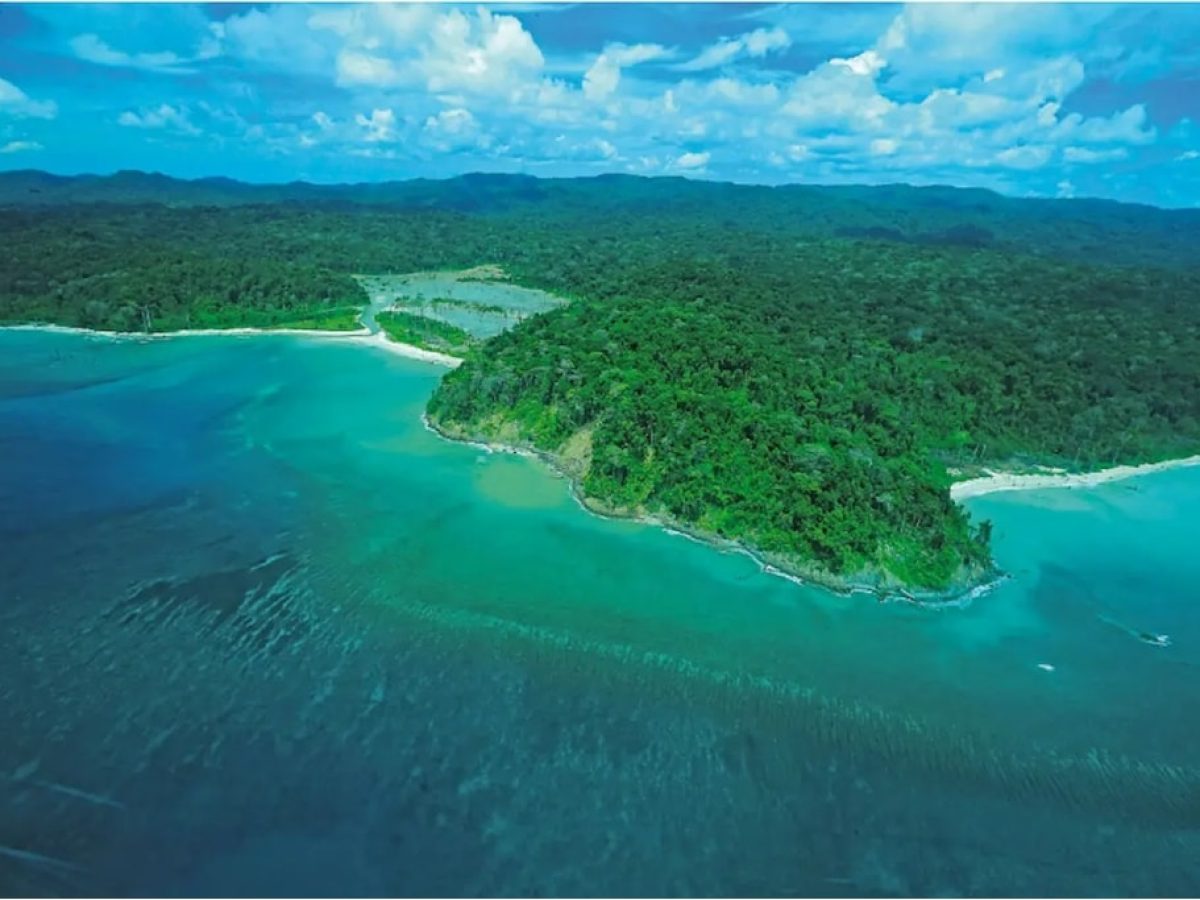
New Delhi, May 03: The proposed Great Nicobar Island Development Project has become one of India’s most debated infrastructure initiatives due to its massive scale, strategic positioning, and serious environmental and tribal concerns. Planned on the southernmost tip of India in the Andaman and Nicobar archipelago, the project aims to transform Great Nicobar Island into a major global maritime and logistics hub. However, it has triggered strong opposition from environmental groups, tribal rights advocates, and political leaders, who warn of irreversible ecological damage and threats to indigenous communities.
Why the Project Is in the News
The project has recently gained attention due to renewed political debate and legal clearance.
Leader of Opposition Rahul Gandhi visited the island in 2026 and strongly criticized the initiative, calling it harmful to natural ecosystems and tribal heritage. This statement reignited public discussion and opposition voices.
On the regulatory side, the National Green Tribunal (NGT) cleared the project earlier in 2026, stating that it serves strategic national interests. The clearance has been controversial, with environmental groups questioning the balance between development and ecological protection.
Meanwhile, government agencies have moved forward with bidding processes for major infrastructure components, signaling active implementation.
What the Project Plan Includes
The development is being executed under the Andaman and Nicobar Islands Integrated Development Corporation (ANIIDCO) and spans roughly 166 sq. km of land.
The overall investment is estimated between ₹81,000 crore and ₹92,000 crore, making it one of India’s largest infrastructure projects.
The plan focuses on turning the island into a strategic maritime and economic hub located close to the busy international shipping routes passing through the Malacca Strait region.
Key Components of the Project
1. Transshipment Port at Galathea Bay
A deep-water port is planned at Galathea Bay with the capacity to handle up to 16 million TEUs (twenty-foot equivalent units).
The objective is to reduce India’s dependence on foreign ports like Singapore and Colombo for cargo transshipment.
2. Greenfield International Airport
A dual-use civil and military airport is proposed, designed to handle around 4,000 passengers during peak hours.
It is expected to improve connectivity to the remote island while also strengthening strategic air operations in the Indian Ocean region.
3. Integrated Township Development
A new urban township is planned to accommodate more than 3.5 lakh residents by 2047.
This township would include residential zones, commercial areas, administrative offices, and supporting civic infrastructure.
4. Power Infrastructure
A 450 MVA hybrid power plant combining solar and gas-based energy is planned to meet the island’s growing electricity needs.
The emphasis is on creating a relatively sustainable energy mix for the large-scale development.
Ecological and Social Risks
Massive Deforestation Concerns
Environmental assessments suggest that between 7 lakh and nearly 10 lakh trees may need to be cut. Conservation scientists argue that actual ecological loss could be even higher once full construction begins.
Threat to Endangered Species
The region is ecologically sensitive and home to unique wildlife.
One of the most critical habitats affected is the nesting ground of the Giant Leatherback Turtle at Galathea Bay.
The project also threatens species like the Nicobar megapode, a rare ground-nesting bird found only in this region.
Impact on Indigenous Communities
The island is inhabited by Particularly Vulnerable Tribal Groups such as the Shompen and Nicobarese communities.
Experts warn that large-scale migration and outside contact could expose them to diseases due to lack of immunity and disrupt their traditional way of life.
Seismic and Tsunami Risks
The island lies in a high seismic zone (Zone V), making it highly vulnerable to earthquakes and tsunamis.
During the 2004 Indian Ocean tsunami, parts of the island reportedly experienced land subsidence, raising concerns about the safety of long-term mega infrastructure projects.
Government’s Position
The central government defends the project as a strategic necessity.
It argues that the island’s location near major shipping routes makes it crucial for maritime security and trade monitoring, especially in the Indian Ocean region.
Officials also highlight economic benefits, stating that India currently relies heavily on foreign ports for transshipment, leading to revenue loss. The project is expected to generate employment opportunities and strengthen India’s maritime influence under its “Act East” policy.
The Great Nicobar development plan represents a high-stakes trade-off between strategic ambition and ecological preservation. While it aims to position India as a stronger maritime power, it also raises difficult questions about environmental sustainability, tribal rights, and disaster vulnerability in one of the country’s most fragile ecosystems.
