
New record in passenger traffic and cargo transport for Indian Railways in 2025–26

By Arun Kumar Das
New Delhi, Apr 2: Indian Railways has achieved significant milestones in both passenger operations and freight during 2025–26, setting new records in cargo transport while also reporting robust growth in passenger traffic and revenue.
The largest public transporter has reported robust growth in passenger traffic and revenue for the fiscal year. The total number of passengers carried rose to 741 crore in 2025–26, a 3.54 per cent increase over 716 crore in 2024–25, reflecting sustained growth in rail usage across the country.
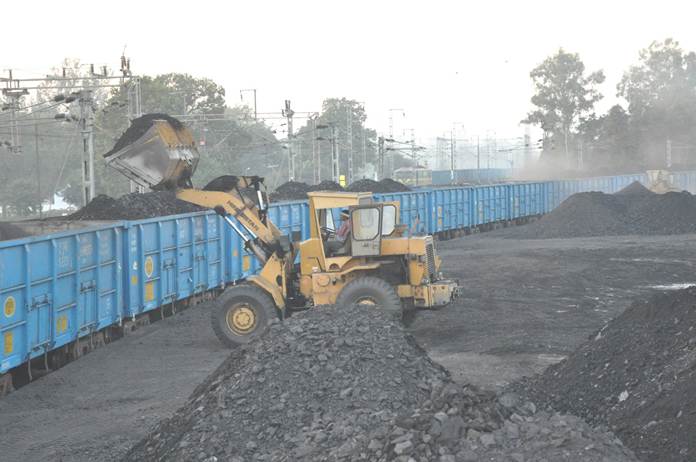
Correspondingly, total revenue reached approximately ₹80,000 crore in 2025–26, marking a 5.96% increase from ₹75,500 crore in 2024–25, driven by strong passenger traffic During 2025–26, Indian Railways carried a record 1670 Million Tonnes (MT) of freight, registering a growth of 3.25 per cent over the previous year.
This strong performance was complemented by a 4.56 per cent increase in the number of wagons handled, which rose from 2,79,12,271 in 2024–25 to 2,91,86,475 in 2025–26. The steady rise in freight loading highlights the increasing demand for reliable, cost-effective, and efficient logistics solutions, positioning Railways as a preferred mode of transport for bulk commodities earnings.
These figures underscore Indian Railways’ expanding role in passenger mobility and its improving financial performance year-on-year.
Zone-wise loading performance during 2025–26 reflects broad-based growth across several regions, with South Western Railway recording the highest increase of 14.89 per cent over the previous year. Other zones demonstrating strong double-digit growth include North Central Railway at 12.62 per cent, East Coast Railway at 10.42 per cent, and West Central Railway at 10.06 per cent.
Additional zones that registered positive growth include Eastern Railway (0.78 per cent), East Central Railway (0.39 per cent), North Eastern Railway (0.25 per cent), Northeast Frontier Railway (6.75 per cent), North Western Railway (5.17 per cent), South Central Railway (2.59 per cent), South East Central Railway (3.18 per cent), Southern Railway (1.10 per cent), and Western Railway (3.57 per cent).
This widespread improvement across zones highlights balanced regional development and enhanced freight handling capacity across the Indian Railways network.
Strong Growth in Freight Earnings
In addition to strong loading performance, Indian Railways has also registered robust freight earnings, which have reached approximately ₹1,77,754 crore in 2025–26, reflecting a 1.44 per cent increase over ₹1,75,302 crore in 2024–25.
Among commodities, Iron Ore emerged as the highest revenue contributor with earnings of ₹14,600.51 crore, followed by Cement (₹13,599 crore), Pig Iron & Finished Steel (₹12,181 crore), Fertilisers (₹9,039 crore), Food Grains (₹8,312.5 crore), and Mineral Oil (₹7,249.54 crore).
Railways Continues to Drive Growth and Connectivity
Building on its achievements in freight, Indian Railways has also seen sustained growth in passenger traffic and revenue, reflecting its expanding role in providing reliable and efficient mobility across the country. This consistent performance underscores Railways’ pivotal contribution to the nation’s economic development, enhancing connectivity, reducing logistics costs, and supporting a more sustainable and efficient transport ecosystem.
Core infrastructure commodities have also played a crucial role in sustaining this momentum. Iron Ore transportation increased by 6.74 per cent, reaching 190.12 MT, while Cement loading grew by 4.74 per cent to 157.17 MT. These trends indicate ongoing infrastructure development and construction activity across the country, where Railways continues to serve as a vital logistics partner.
Fertilisers, Pig Iron, and Finished Steel Drive Impressive Growth
The growth has been largely driven by key sectors such as Fertilisers (13.49 per cent), ‘Pig Iron and Steel’ (13.11 per cent). This reflects both the rising demand for agricultural inputs across regions and the continued expansion of industrial activity, particularly in the steel sector.
