
India’s first barrier-free toll system goes live on NH-48, ending toll booth queues

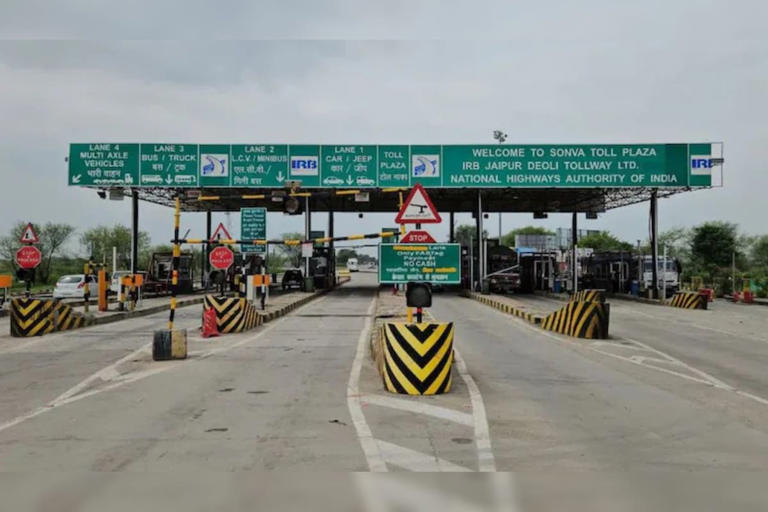
New Delhi, May 01: India has taken a major step toward modernising highway travel with the launch of its first Multi Lane Free Flow (MLFF) tolling system. Introduced on the Surat–Bharuch stretch of NH-48 in Gujarat, the new barrier-free toll setup allows vehicles to pass through toll points without stopping. Using a combination of FASTag and Automatic Number Plate Recognition (ANPR) technology, toll charges are deducted automatically as vehicles continue moving, aiming to eliminate queues and reduce travel delays.
The initiative marks a significant shift from traditional toll collection methods and is expected to improve travel efficiency, reduce fuel wastage, and ease congestion on one of the country’s key highway corridors.
What is MLFF Tolling and How It Works
The Multi Lane Free Flow system is designed to remove physical barriers at toll plazas entirely. Unlike conventional systems where vehicles must slow down or stop for toll payment, MLFF enables uninterrupted movement across multiple lanes. The system relies on FASTag for digital payment integration, while high-speed ANPR cameras scan and identify vehicle number plates in real time. Once identified, toll charges are automatically deducted without any manual intervention or stopping requirement, ensuring continuous traffic flow.
First Implementation on NH-48 in Gujarat
The first rollout of this system has been implemented at the Chorayasi Toll Plaza on the Surat–Bharuch section of National Highway 48 in Gujarat. This stretch has been chosen as a pilot for India’s transition toward barrier-free tolling infrastructure. The launch was announced as part of the government’s broader push to modernise highways and improve traffic efficiency across major transport corridors.
Benefits for Commuters and Transport Sector
The MLFF system is expected to significantly improve travel experience for daily commuters as well as logistics operators. For passengers, the most immediate benefit is the elimination of long queues at toll plazas, which often cause unpredictable delays even with FASTag in place. For transport and logistics companies, uninterrupted highway movement means faster delivery timelines and improved operational efficiency.
Beyond time savings, the system is also expected to reduce fuel consumption caused by idling vehicles at toll booths. This, in turn, can help lower vehicle emissions and contribute to a more environmentally efficient transport network.
Impact on Highway Modernisation and Future Expansion
The introduction of MLFF tolling is part of India’s broader shift toward digital and automated highway infrastructure. By minimising human intervention and streamlining toll collection, the system supports improved transparency and operational efficiency. Officials have indicated that such systems may gradually be expanded to other major highways across the country, depending on the success of the pilot implementation.
The move aligns with the government’s long-term goals of improving “Ease of Living” for commuters and “Ease of Doing Business” for the transport sector by ensuring smoother and faster movement of goods and people across India’s highway network.
