
Beware! Your fruit may have been ripened with toxic chemicals
Prohibited chemicals, primarily calcium carbide, are used for fruit ripening because these are cheap and a quick way to ripen a fruit artificially, enabling traders to turn green, unripe fruit into marketable, yellow-colored produce within 24 hours.

New Delhi, Apr 17: Here is an alarm for everyone!
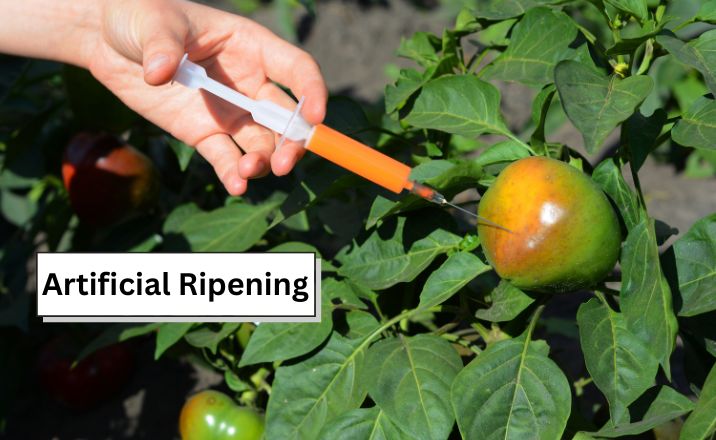
Some people involved in the fruit business are engaging in the criminal activities of using harmful chemicals for artificial ripening of fruits.
These people dip fruits in ethephon solution or calcium carbide for artificial ripening of fruits like mangoes, bananas and papayas.
Calcium Carbide is the primary prohibited chemical as it has carcinogenic properties and toxic impurities like arsenic and phosphorus.
It releases acetylene gas, causing health issues including vomiting, diarrhea, dizziness, and nervous system damage. mouth ulcers and burning sensation in the chest and abdomen.
There can be long-term health problems too, like cancer, heart ailments and nerve damage.
The only approved ripening method is the use of ethylene gas (up to 100 ppm) in controlled chambers. It is used to stimulate the natural ripening process, unlike chemical-based, forced ripening.
This illegal activity has come to the notice of the Food Safety and Standards Authority of India (FSSAI), a statutory body under the administration of the Union Ministry of Health and Family Welfare, and it has ordered intensified detection and action against such people.
It noted that FSSAI’s ‘Guidance Note on Artificial Ripening of Fruits Ethylene Gas – A Safe Fruit Ripener’ strictly prohibits the direct contact of fruits/vegetables with ethylene (in powder or liquid form).
“FSSAI has ordered strict enforcement across states to intensify action against illegal fruit ripening agents, reiterating that the use of calcium carbide for artificial ripening of fruits such as mangoes, bananas and papayas is strictly prohibited,” it said.
“All Commissioners of Food SAfety of States/UTs and Regional Directors of FSSAI are advised to intensify inspections and maintain strict vigilance over fruit markets/mandis, as well as storage facilities, wholesalers, and distributors, particularly where seasonal fruits are stored and the use of substances like ‘masala’ is suspected,” the nodal body said in the order.
Special enforcement drives may be undertaken to curb the illegal use of calcium carbide or other non-permitted ripening agents, wax, and synthetic colours, it said.
In its order to the enforcement departments, the FSSAI said the presence of calcium carbide on the premises or alongside fruit crates may be treated as circumstantial evidence for initiating prosecution against the FBO under relevant provisions of the law.
The Enforcement Official may also use strip paper tests to detect the presence of acetylene in godowns or ripening chambers for the artificial ripening of fruits, it added.
Prohibited chemicals, primarily calcium carbide, are used for fruit ripening because these are cheap and a quick way to ripen a fruit artificially, enabling traders to turn green, unripe fruit into marketable, yellow-colored produce within 24 hours.
Despite being illegal in many countries, they are used to meet high market demand, ensure uniform ripening for sales, and bypass the slower, more expensive natural ripening process.
