
Ethanol blending in petrol is still an experiment, Govt tells Supreme Court

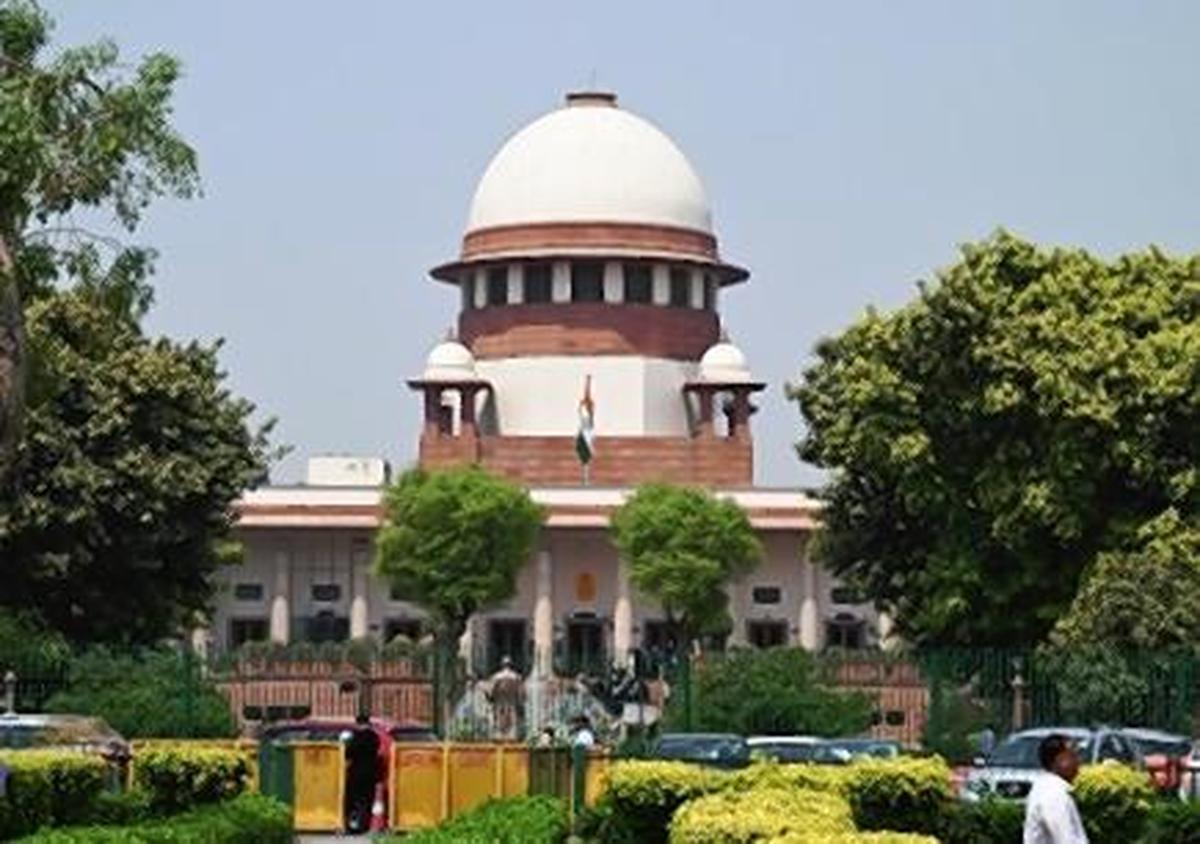
New Delhi, June 30: Amidst raging controversy over mixing of ethanal in petrol, the Central Government today told the Supreme Court that the programme of 20% ethanol blending is still an experiment.
Attorney General R Venkataramani, appearing for the Central government, also told the top court that the impact of the policy would become clearer by 2027.
Venkataramani stated this during a hearing in a case linked to ethanol allocation and amid widespread concerns over ill impact of higher percentage of ethanol in petrol for vehicles.
The matter was heard in connection with a petition filed by state-owned Bharat Petroleum Corporation Limited (BPCL), which challenged a Karnataka High Court order related to ethanol allocation for the 2025–26 supply year.
In its June 23 order, the Karnataka High Court directed Oil Marketing Companies (OMCs), including BPCL, Hindustan Petroleum Corporation Limited and Indian Oil Corporation, to consider a request by a distillery seeking enhancement of its ethanol allocation before finalisation of the tender process.
BPCL argued that the order could have broader consequences for India’s ethanol blending roadmap.
Appearing for the Centre, Venkataramani told the Supreme Court that ethanol allocation had already been completed in October 2025 and supply contracts had been finalised.
He said that reopening allocations for individual suppliers could affect the implementation of the national programme.
He informed the court that similar matters were pending before different High Courts and said changes in allocations at this stage could disrupt the supply framework.
According to the Attorney General, BPCL, which coordinates the Ethanol Blended Petrol programme, had received cumulative supply offers of approximately 1,759 crore litres under the tender process.
Seeking permission to move transfer petitions, Venkataramani argued that the issue required early resolution before the next round of ethanol supply contract renewals scheduled for October.
Following the hearing, the Attorney General clarified that the 20% ethanol blending target remains a policy decision and is not under reconsideration.
He said ethanol availability for companies may vary depending on demand and operational requirements.
The government had set 2030 as the target for achieving 20% ethanol blending in petrol but it was done in 2025 and oil marketing companies began supplying ethanol-blended petrol across the country from April 1.
The government has now set a higher target of increasing ethanol blending to 30% by 2030.
Automobile experts have been expressing worries that 20% ethanol in petrol is harming engines of vehicles and higher percentage could cause much more damage. (BVI)
