
Supreme Court Reaffirms ‘Bail Is the Rule’ in UAPA Cases, Revisits Gulfisha Fatima Judgment

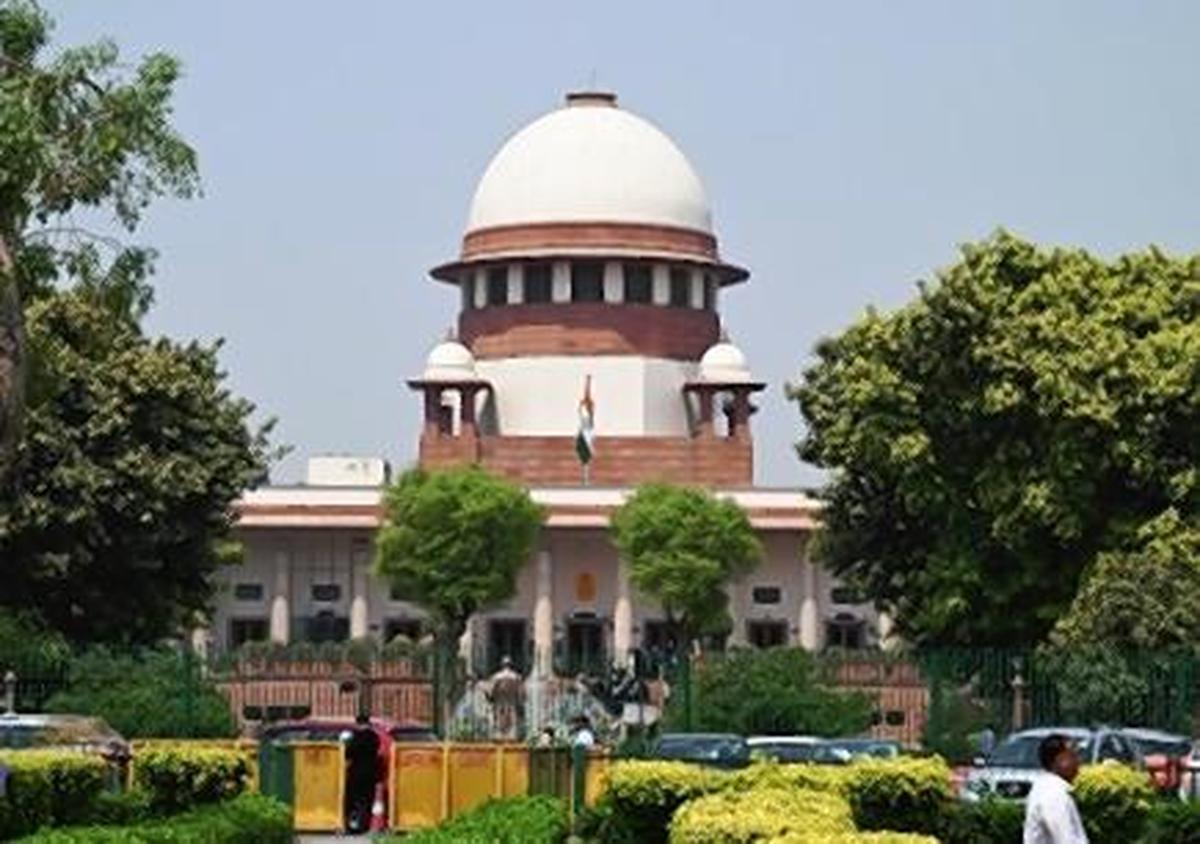
New Delhi, May 18: , making significant observations while granting bail to a Jammu and Kashmir man accused in a narco-terror case.
The ruling has renewed focus on the cases of Umar Khalid and Sharjeel Imam, who remain jailed in connection with the 2020 Delhi riots conspiracy case.
Court says UAPA cannot justify endless detention
A bench comprising Justices BV Nagarathna and Ujjal Bhuyan granted bail to Syed Iftikhar Andrabi, accused of involvement in alleged cross-border heroin smuggling and terror financing connected to Lashkar-e-Taiba.
During the hearing, the Supreme Court stressed that stringent provisions under Section 43D(5) of the UAPA should not result in indefinite incarceration without trial.
The judges observed that constitutional guarantees under Articles 21 and 22 — including the right to liberty and protection against arbitrary detention — remain applicable even in anti-terror cases.
Understanding Section 43D(5)
Section 43D(5) of the UAPA makes bail difficult if a court believes the accusations against an accused person appear “prima facie true.”
Because of this provision, many accused individuals in UAPA cases spend years in prison while trials move slowly through the judicial system.
The Supreme Court clarified that while national security concerns are important, anti-terror laws cannot override constitutional protections for unlimited periods.
KA Najeeb ruling remains binding law
The bench relied on the landmark Union of India vs KA Najeeb judgment, which held that courts can grant bail in UAPA cases where prolonged incarceration and delayed trials violate constitutional rights.
The Court said lower courts cannot dilute or ignore the principles established in the KA Najeeb judgment.
Gulfisha Fatima ruling criticised
The Supreme Court also questioned the reasoning adopted in the Gulfisha Fatima bail ruling, observing that it failed to properly apply the standards laid down in the KA Najeeb verdict.
That ruling had earlier been referenced in decisions denying bail to Umar Khalid and Sharjeel Imam in the Delhi riots conspiracy case.
Legal experts believe the latest observations may influence future bail hearings under the UAPA, particularly in cases involving long custody periods and delays in trial proceedings.
NIA allegations in Andrabi case
The National Investigation Agency alleges that Andrabi was involved in a narcotics network operating across Jammu and Kashmir, with proceeds allegedly being used to finance terror activities linked to Lashkar-e-Taiba and Hizbul Mujahideen.
The case was registered in 2020 under provisions of the UAPA and the Indian Penal Code.
