

By Arun Kumar Das
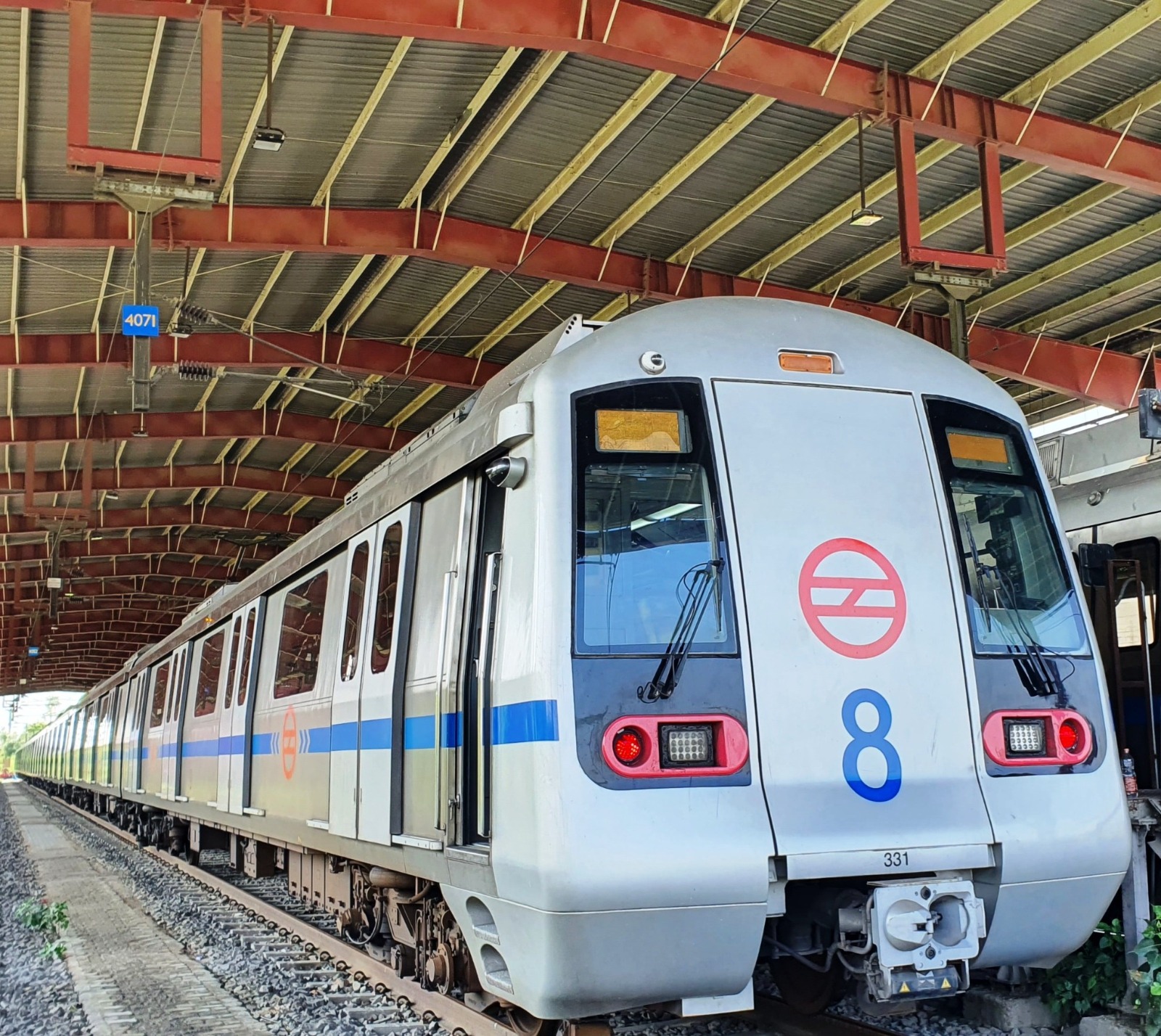
New Delhi, May 19: Amidst the energy shortages and need for enhanced transport, Delhi Metro Rail Corporation (DMRC) is undertaking a series of strategic initiatives to facilitate greater adoption of metro rail services while enhancing accessibility.
The DMRC has come up with the strategy as imports of oil and gas has reduced substantially from the Gulf region because of the West Asia war, leading to apprehensions about fuel shortages in India in the coming times.
Operational Preparedness for Increased Demand:
Anticipating a likely shift from road to Metro in the extant scenario, DMRC will introduce 24 additional train trips from 06 additional trains every Monday starting from 18th May 2026 and on other days, as and when required.
This capacity expansion aims to ensure uninterrupted service and efficient passenger management during increased passenger journeys. DMRC will be closely monitoring any surge in demand to take any action required to meet the demand.
Enhanced Security and Passenger Flow:
DMRC is also intensifying measures to improve commuter movement to handle additional passenger capacity by Deploying additional security personnel; Operating additional ticketing counters; Activating spare DFMDs and baggage scanners; Reducing waiting times at frisking points and Ensuring smoother passenger movement during peak periods.
Ease of connectivity to desired destinations: Delhi Metro’s extensive network serves as a vital mobility lifeline by providing direct and seamless intermodal connectivity with railways stations, major Interstate Bus Terminals (ISBTs), Airport terminals, Namo Bharat Regional Rapid Transit System (RRTS), Noida Metro and Rapid Metro, Gurgaon.
This integrated transport framework enables commuters to transition efficiently between multiple transport systems, significantly reducing dependency on private vehicles and petroleum-based road transport.
In addition, DMRC’s wide network also ensures safe, reliable, and swift connectivity to major commercial marketplaces, Government ministries and administrative centers, corporate offices and cyber hubs, educational institutions, tourism, heritage, and cultural destinations.
From Chandni Chowk and Connaught Place to Cyber City, educational hubs, and iconic landmarks, Delhi Metro continues to provide comprehensive urban accessibility across Delhi-NCR.
Robust Last-Mile Connectivity for Seamless Travel:
To ensure end-to-end commuter convenience, DMRC has developed an expansive last-mile ecosystem across 160 metro stations, currently serving approximately 100,000 passengers daily in the form of E-autos, E-rickshaws, Bike taxis, Cab aggregators, Bicycle rentals, Smart Door-to-Door integrated journey planning via the DMRC Saarthi App. These measures are designed to bridge the critical gap between metro stations and final destinations while promoting green mobility solutions.
Recently, DMRC with the support of IOCL has started Hydrogen based bus service in the Central Vista area to provide last mile services from metro stations to the offices in Central Vista Area.
DTC is operating around 1500 Devi buses which are providing last mile services at 52 metro stations. More Devi buses are progressively being introduced.
Park and Ride Facilities:
To further encourage a shift from personal vehicle use to public transport, parking facilities are currently operational at 126 metro stations across Delhi-NCR, enabling commuters to conveniently park and continue journeys through metro services.
By expanding metro accessibility, enhancing multimodal integration, and improving commuter-focused services, DMRC is positioning Delhi Metro as a cornerstone of India’s sustainable urban transport future.
Delhi Metro continues to stand at the forefront of delivering safe, efficient, integrated, and environmentally responsible mobility solutions for millions across Delhi-NCR.
