
Supreme Court Mandates GPS Trackers And Panic Buttons In Public Service Vehicles

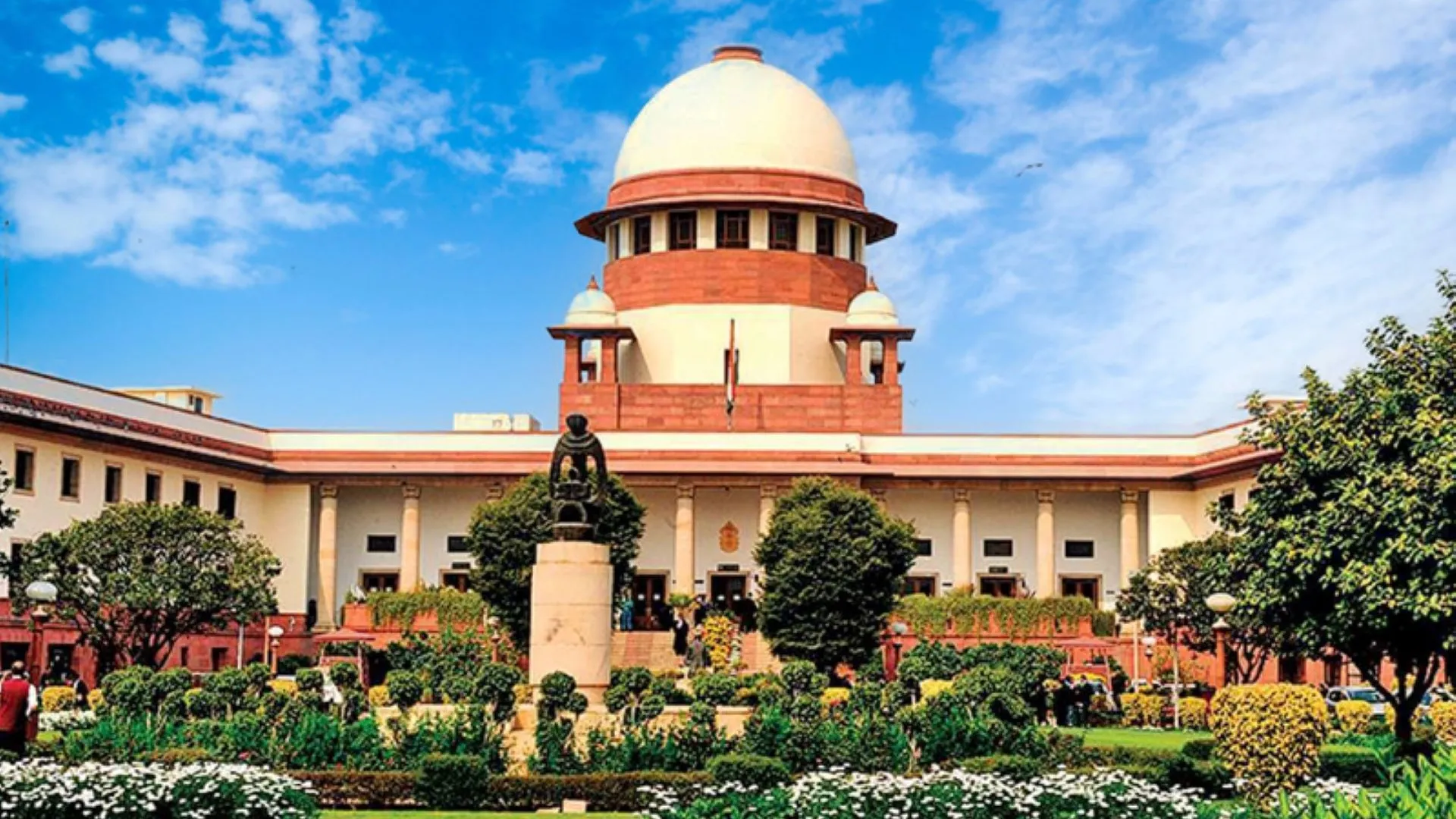
New Delhi, May 14: The Supreme Court of India has directed all states and Union Territories to ensure that public service vehicles are fitted with vehicle location tracking devices (VLTDs) and emergency panic buttons before they are granted fitness certificates or operational permits.
The order was issued amid growing concerns over weak implementation of road safety regulations and rising fatalities caused by road accidents across India.
Court Flags Poor Compliance Across India
A Bench comprising Justice JB Pardiwala and Justice KV Viswanathan observed that less than one percent of transport vehicles currently have the mandatory tracking systems installed, despite the legal requirement already existing under Rule 125H of the Central Motor Vehicles Rules, 1989.
Calling the situation “disturbing”, the court stressed that these devices are essential for improving passenger safety and emergency response systems nationwide.
Fitness Certificates Now Linked To Safety Devices
The apex court stated that no public service vehicle should receive:
- A fitness certificate under Section 56 of the Motor Vehicles Act, 1988, or
- A permit under Section 66 of the Act
unless the installation of vehicle tracking systems and emergency panic buttons is verified and updated in the Vahan database.
The directive applies to both newly registered and existing public service vehicles.
Why VLTDs And Panic Buttons Matter
The court highlighted that vehicle location tracking devices and panic buttons play a critical role in ensuring passenger safety, especially for women, children and elderly commuters.
Real-time tracking systems can help authorities monitor vehicles more effectively, while panic buttons enable faster emergency response during distress situations, accidents or crimes.
Retrofitting Ordered For Older Vehicles
The Supreme Court also ordered retrofitting of VLTDs and panic buttons in public service vehicles registered up to December 2018.
States and Union Territories have been instructed to ensure time-bound and verifiable implementation of the rules for older fleets as well.
PIL Raised Concerns Over Road Fatalities
The matter was being heard through a public interest litigation filed by Coimbatore-based surgeon S Rajasekaran, who highlighted India’s high rate of road accident deaths and criticised authorities for failing to properly enforce mandatory road safety measures.
The petition reportedly pointed to an “utterly callous and casual attitude” toward implementation of transport safety regulations.
Push Towards Stronger Road Safety Enforcement
The latest directive reflects a broader push toward stricter enforcement of passenger safety measures in India’s transport sector.
Experts believe mandatory tracking systems and emergency alert mechanisms could improve accountability, strengthen emergency management and enhance commuter safety across the country’s public transport network.
