

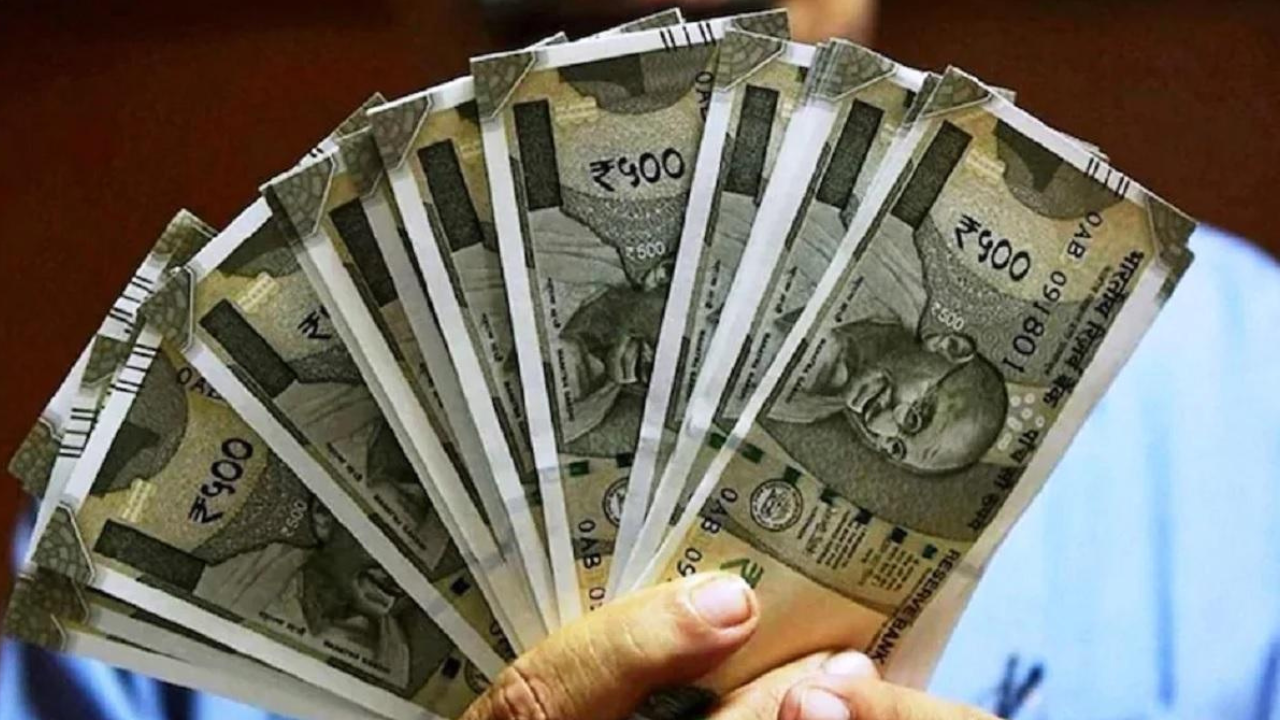
New Delhi. May 15: The Indian rupee plunged to a historic low on Friday, breaching the 96 mark against the US dollar for the first time ever. The domestic currency fell 50 paise during the day to touch an all-time low of 96.14 in the interbank foreign exchange market amid soaring crude oil prices, a strengthening dollar, and escalating geopolitical tensions in West Asia.
The rupee had closed at 95.64 on Thursday and opened weaker at 95.86 before extending losses further during trading.
Rupee Becomes Asia’s Worst-Performing Currency
With the latest fall, the rupee has emerged as the worst-performing currency in Asia this year, declining more than 6% against the US dollar so far in 2026.
Forex traders said global investors are increasingly moving towards the US dollar as a safe-haven asset amid uncertainty surrounding the Iran-Israel conflict and fears of disruptions in crude oil supplies through the Strait of Hormuz.
Rising Crude Oil Prices Hurting Indian Currency
One of the biggest reasons behind the rupee’s weakness is the sharp surge in crude oil prices.
India imports more than 85% of its crude oil requirements, meaning higher oil prices increase the country’s import bill and put pressure on the domestic currency.
Brent crude prices rose above $107 per barrel in futures trade as concerns over supply disruptions in West Asia intensified.
The recent increase in petrol and diesel prices across India also reflects the mounting pressure from elevated global crude prices.
Strong US Dollar Adding More Pressure
Apart from rising oil prices, a stronger US dollar is also weighing heavily on the rupee.
The dollar index, which tracks the US currency against major global currencies, climbed to 99.05 after strong US economic data reduced expectations of aggressive interest rate cuts by the US Federal Reserve.
According to market experts, global investors typically shift towards the dollar during periods of uncertainty, leading to pressure on emerging market currencies like the rupee.
Experts Explain Why Rupee Is Falling
According to Amit Pabari, Managing Director of CR Forex Advisors, strong US retail sales data and stable labour market figures have strengthened the dollar globally.
Meanwhile, Santosh Meena of Swastika Investmart Ltd said higher crude prices, foreign fund outflows, and elevated US interest rates are all contributing to the rupee’s decline.
He noted that sustained dollar demand and geopolitical uncertainty are creating additional pressure on emerging economies.
Impact of Weak Rupee on Indian Economy
A weaker rupee can have mixed effects on the economy.
Negative Impact
- Fuel imports become costlier
- Prices of electronics and industrial raw materials rise
- Inflationary pressure increases
- Travel and overseas education become more expensive
Positive Impact
- Export-oriented sectors like IT and pharmaceuticals may benefit
- Companies earning in dollars could see improved profit realisation
What Markets Will Watch Next
Analysts believe the rupee’s future movement will depend on several factors, including:
- Crude oil price trends
- Developments in West Asia
- Foreign investor activity
- Possible intervention by the Reserve Bank of India
Currency markets are expected to remain volatile as geopolitical tensions continue to impact global trade and energy markets.
