
Rupee Crash and Oil Shock: Crisis or Opportunity for Indian Startups?

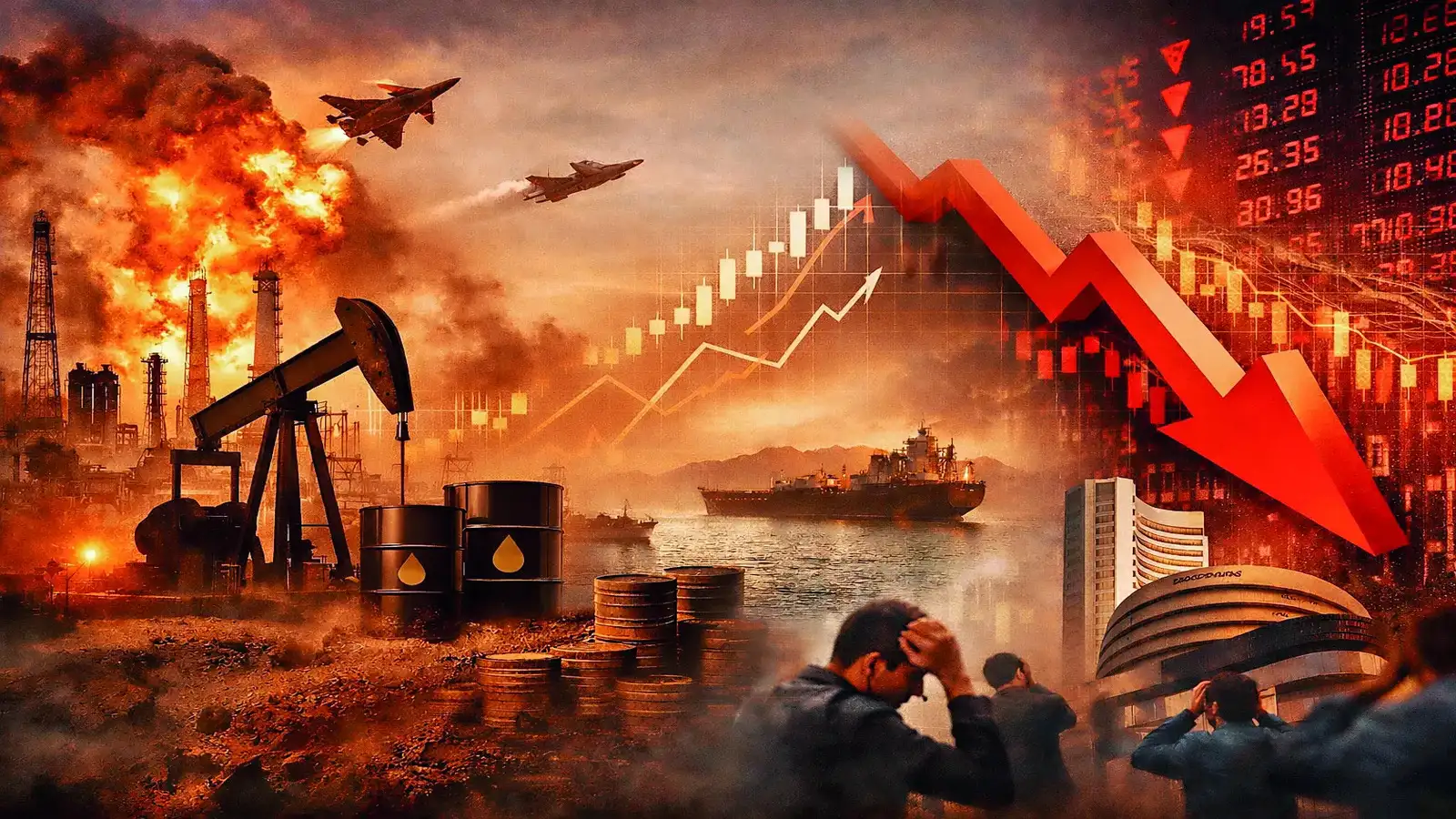
New Delhi, May 10: India is currently facing a dual macroeconomic challenge — a weakening rupee and surging global oil prices but experts believe this turbulence could also open new doors for the country’s startup ecosystem.
The Indian rupee has come under pressure amid rising crude oil costs and heightened geopolitical uncertainty. As one of the world’s largest oil importers, India is directly impacted by global energy price spikes, which increase import bills and strain foreign exchange reserves. This has also raised concerns about inflation and reduced investor confidence in short-term markets.
However, the situation is not entirely negative. According to market observers, periods of currency depreciation and global commodity shocks often force businesses to rethink strategies, improve efficiency, and explore domestic alternatives areas where startups tend to thrive.
Crisis Turning Into Opportunity
Historically, economic slowdowns and currency volatility have pushed Indian startups to innovate faster. A weaker rupee makes imports costlier, encouraging local manufacturing, indigenous technology development, and supply chain localisation. This creates strong opportunities in sectors such as fintech, agritech, energy efficiency, logistics, and export-driven services.
Export-oriented startups may also benefit, as a weaker rupee increases global competitiveness of Indian goods and services, particularly in IT, software, and digital services.
Funding and Investor Sentiment
While macroeconomic instability can make investors cautious in the short term, analysts suggest that strong startups with solid fundamentals may still attract capital. In fact, investors often shift toward resilient, cost-efficient, and export-ready business models during such periods.
At the same time, startups dependent on imports or high foreign currency exposure may face margin pressure, forcing them to rethink pricing and sourcing strategies.
A Structural Shift in the Making
Experts believe that India’s startup ecosystem is gradually moving from a consumption-led model to a more production- and export-driven economy. The current rupee and oil shock may accelerate this shift by pushing entrepreneurs to focus on self-reliance, local innovation, and global scalability.
While the immediate outlook remains uncertain, the long-term narrative suggests that India’s startup ecosystem could emerge stronger and more globally competitive if it adapts effectively to these macroeconomic pressures.
