
India’s Fuel Price Shield Under Pressure: Rising Global Oil Costs May Force Tough Decisions

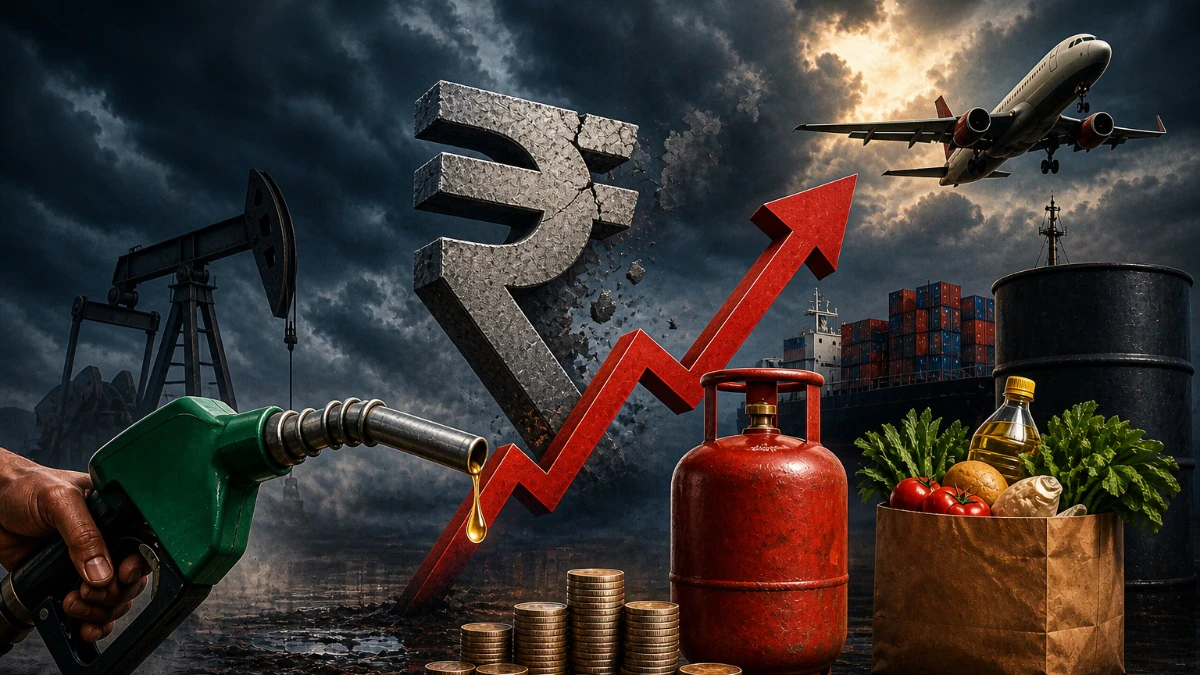
New Delhi, May 07: India’s long-standing strategy of maintaining stable petrol and diesel prices is facing a critical turning point. Despite a significant surge in global crude oil benchmarks, domestic retail prices have remained largely unchanged, a move that experts warn is becoming increasingly unsustainable.
A combination of escalating geopolitical tensions, a depreciating Rupee, and surging domestic demand is placing immense strain on the nation’s energy infrastructure and fiscal health.
The Growing Supply-Demand Gap
India’s vulnerability stems from its heavy reliance on foreign energy. Currently, the country imports approximately 89% of its crude oil, far outstripping domestic production. This dependency extends to other fuels, with India importing 50% of its natural gas and nearly 60% of its LPG.
This reliance is clashing with a steady rise in domestic consumption. In the 2026 fiscal year:
-
Petrol demand grew by 6.5%.
-
Diesel consumption rose by 3.6%.
-
LPG demand increased by 6%.
Financial Strain on Oil Companies
While consumers have been shielded from price volatility, State-run Oil Marketing Companies (OMCs) are bearing the brunt. Reports suggest OMCs have absorbed daily losses of nearly ₹2,400 crore during peak volatility. The gap between retail prices and actual import costs—known as under-recoveries—is estimated at ₹20 per litre for petrol and a staggering ₹100 per litre for diesel.
The primary catalyst for this crisis is the conflict in West Asia that erupted in February 2026. Following the outbreak, Brent crude prices skyrocketed from $73 to $126 per barrel in just two months—a 72% increase.
“Keeping prices artificially low for too long may increase the country’s fiscal burden and foreign exchange pressure.” — Industry Analyst
Logistics and Regional Comparisons
Geopolitical risks are also driving up “hidden” costs. With 40% of India’s oil imports traversing the Strait of Hormuz, recent regional disruptions have led to a spike in freight charges and marine insurance premiums.
In contrast to India’s stability, neighboring nations have already succumbed to market pressures:
-
Pakistan: Raised fuel prices by 43%.
-
Sri Lanka, Nepal, and Bangladesh: Implemented sharp hikes and fuel rationing.
The Path Forward
Despite the current pressure, India’s fuel prices remain lower than those in many developed economies, such as the UK, France, and Germany. However, analysts suggest that a “gradual and carefully planned” price revision may be inevitable. Such a move would be designed to restore the financial health of OMCs and safeguard India’s long-term energy security against continued global volatility.
