

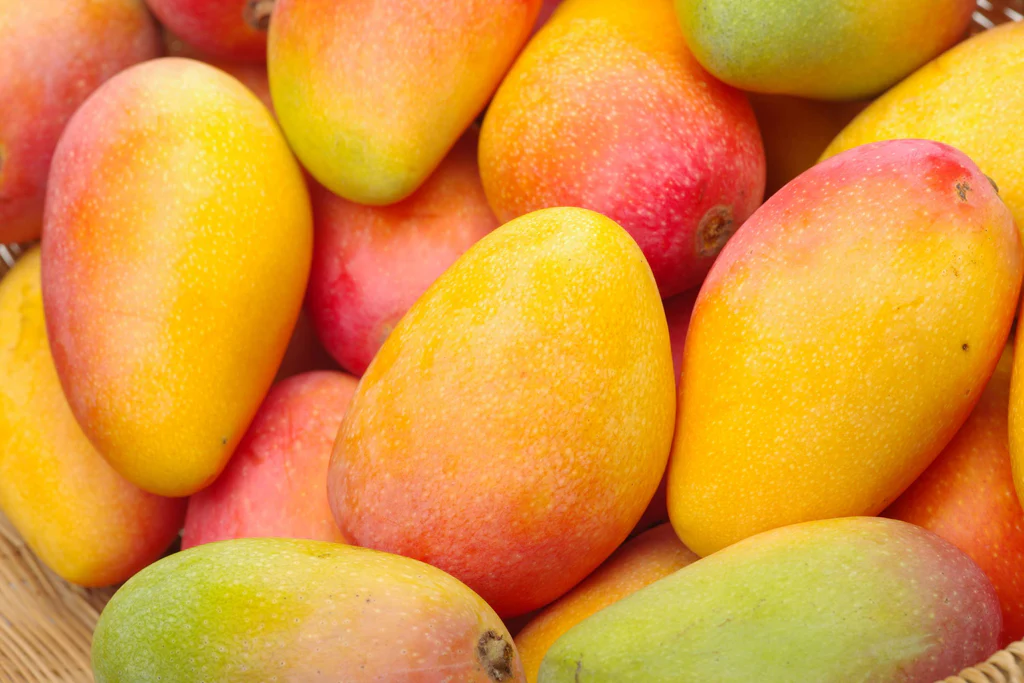
New Delhi, May 31: Japan has reportedly banned Indian mangoes on the grounds of deficiencies in fumigation and disinfection standards in this country.
This is for the first time in 20 years that the Japanese government has refused to allow shipments of mango from India.
The imports will remain suspended until Japan is satisfied that operational standards have improved, according to media reports.
The decision follows an inspection by Japanese quarantine officials of the Vapour Heat Treatment (VHT) facilities in India, which is conducted as per a laid down protocol before each export season, the reports said.
VHT is a mandatory non-chemical treatment process that exposes mangoes to controlled hot and humid air to eliminate pests such as fruit flies before export.
During latest inspections at a facility in Rehmanpur in Uttar Pradesh in March, the Japanese officials reportedly found gaps in fumigation and disinfection procedures.
Following the inspection, the Yokohama Plant Protection Association issued a notice stating that mango consignments certified on or after March 25, 2026, would not be accepted.
Impact of the ban
The ban impacts a number of varieties of mango popular in the Japanese market, including Alphonso, Kesar, Langra and Banganapalli.
Among these, Gujarat’s Kesar mango accounted for the largest share of India’s exports to Japan in 2025-26, making the disruption particularly significant for exporters in the region.
India remains the world’s largest producer of mangoes, producing millions of tons annually.
While most of the produce is consumed domestically, exports to premium markets such as Japan, the US, the UAE and the UK remain crucial for the industry.
While Japan accounts for a relatively small share of India’s overall mango exports, it is considered a premium and high-value market due to strict quality standards and higher price realisation.
Not the first time
This is not the first time that Japan has banned Indian mangoes.
Earlier, in 1986, Japan imposed a ban on the fruit over concerns related to fly infestation.
The restriction lasted for nearly 20 years before India regained access in 2006 after extensive negotiations, inspections and upgrades in quarantine systems.
India introduced Vapour Heat Treatment facilities, strengthened pest surveillance, and improved export infrastructure to meet Japan’s stringent standards.
Under the revised agreement, only six Indian mango varieties were approved for export to Japan: Alphonso, Kesar, Banganapalli, Langra, Chausa, and Malika, and only from designated facilities across Andhra Pradesh, Maharashtra, Gujarat, Uttar Pradesh and West Bengal.
