
India’s Rising Power Demand Exposes Urgent Need For Better Energy Planning

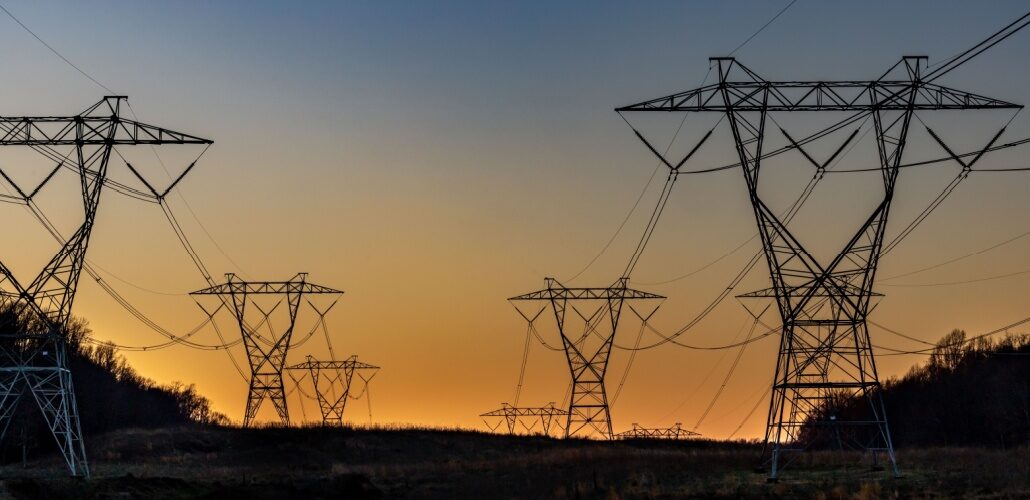
Heatwaves Push Electricity Demand To Record Highs
A developing El Niño effect has intensified heat conditions across the Indian subcontinent much earlier than usual this year. As temperatures continue to climb, households and businesses are increasingly relying on cooling systems such as air conditioners and fans, sharply increasing electricity consumption nationwide.
India’s peak power demand touched 270.8 GW on May 21, significantly higher than the previous year’s peak of 242.49 GW recorded during June 2025. The surge has already strained urban power infrastructure, with several regions witnessing outages and operational disruptions.
A recent transformer fire in Gurugram caused widespread electricity disruption and temporarily suspended Rapid Metro services, highlighting the growing pressure on ageing infrastructure.
Rising Temperatures Make Demand Growth Predictable
Experts say the current situation was largely foreseeable, given India’s long-term climate trends. The country has experienced its warmest decade on record, with summers arriving earlier and temperatures reaching new highs almost every year.
This steady rise in temperatures has made increasing electricity demand a structural reality rather than an occasional seasonal challenge. However, infrastructure upgrades, preventive maintenance and capacity expansion have often failed to keep pace with rising demand.
The recent outages have raised concerns over whether distribution systems, transformers and urban grids are adequately prepared for prolonged heatwaves in the coming years.
India Has Improved Grid Stability Since 2012 Blackout
India’s power system has become more resilient compared to the massive north Indian grid failure of 2012, which remains one of the world’s largest blackouts.
Since then, authorities have restructured grid operations to reduce the risk of cascading failures caused by excessive power withdrawal by individual states. Coordination between the railway, coal and power ministries has also improved coal transportation to thermal power plants, helping maintain fuel supplies during peak demand periods.
These reforms have significantly reduced the chances of a nationwide grid collapse. However, experts warn that localised outages and supply stress could still increase if demand growth continues to outpace infrastructure expansion.
Renewable Energy Playing Bigger Role During Daytime
Renewable energy sources, especially solar power, are increasingly helping India manage daytime electricity demand.
Solar generation has become particularly important during afternoon peak hours between 2 pm and 4 pm, when strong sunlight allows renewable energy to support the grid and reduce pressure on thermal power plants. Combined with wind and hydropower, renewable energy now contributes roughly one-third of daytime peak electricity supply.
This marks significant progress in India’s clean energy transition and supports the country’s long-term net-zero ambitions.
Night-Time Power Demand Remains A Major Challenge
Despite daytime improvements, the biggest challenge emerges after sunset when residential electricity demand remains high but solar generation drops sharply.
At night, thermal power plants continue to bear most of the load, making it increasingly difficult to balance supply and demand during prolonged heatwaves.
Pumped hydro storage systems offer limited support, but experts believe India now urgently needs large-scale battery storage infrastructure to stabilise renewable energy supply beyond daylight hours.
Slow Battery Manufacturing Growth Raises Concerns
The central government has introduced multiple incentives since 2021 to encourage battery manufacturing and energy storage development. However, progress has remained slower than expected.
One major challenge is India’s continued dependence on China for key raw materials required in battery production. This dependence has complicated supply chains and delayed the development of large-scale domestic storage capacity.
Industry experts argue that expanding battery infrastructure is now essential not only for renewable energy integration but also for ensuring long-term energy security as electricity demand continues rising rapidly.
Energy Demand Expected To Keep Rising
With climate change intensifying heatwaves and urbanisation driving higher power consumption, experts believe India’s electricity demand will continue growing sharply in the coming years.
While public advisories encouraging citizens to use electricity carefully may help temporarily, analysts say long-term solutions require deeper structural reforms, faster renewable integration, modernised grids and stronger investment in energy storage systems.
Without significant preparation, India could face increasing stress on its power infrastructure during future summers.
