
Centre Releases Draft Rules For VB-G RAM G Act Ahead Of Nationwide Rollout

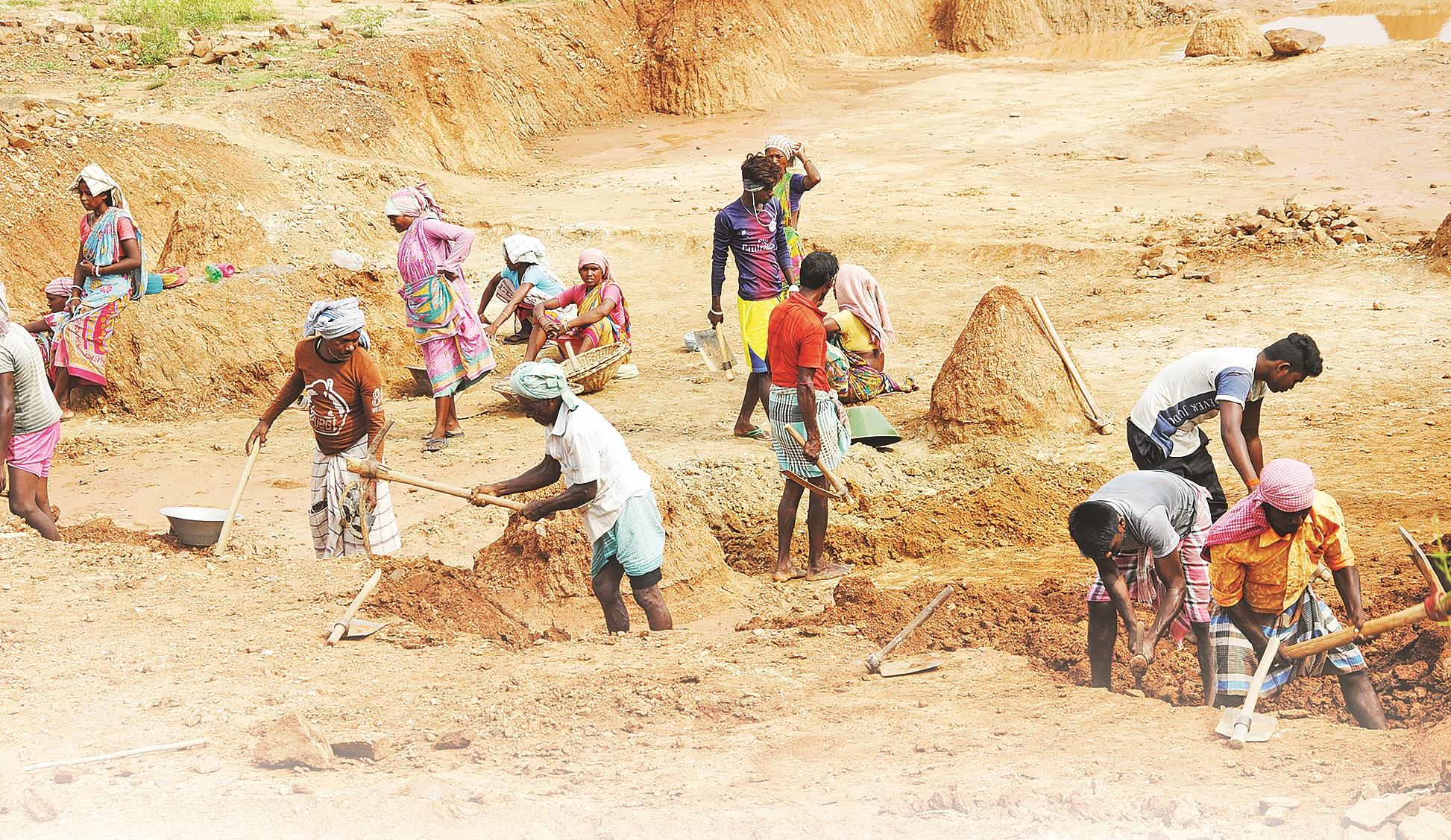
New Delhi, May 23: The Union government has published the draft rules for the newly enacted Viksit Bharat Guarantee for Rozgar and Ajeevika Mission (VB-G RAM G) Act 2025 ahead of its nationwide rollout scheduled for July 1, 2026.
The move marks a major transition in India’s rural employment framework, as the new legislation is set to gradually replace the long-running Mahatma Gandhi National Rural Employment Guarantee Scheme (MGNREGS).
The Ministry of Rural Development said the draft rules have been framed under Section 33 and other provisions of the Act and released for public consultation to ensure wider stakeholder participation before final implementation.
Public Feedback Invited Till June 21
The Centre has opened the draft rules for public review and invited comments, objections, and suggestions from citizens, institutions, organisations, and other stakeholders until June 21, 2026. The rules have been uploaded on the official e-Gazette portal as part of the government’s consultation process.
Officials said the exercise reflects the government’s focus on participatory governance and aims to gather inputs before finalising the operational framework for the new rural employment programme.
What The Draft Rules Cover
The draft rules released by the government lay down the institutional, administrative, financial, and governance structure for implementing the VB-G RAM G scheme across the country.
These include rules related to the transition from MGNREGS to the new framework, the functioning of national-level steering committees, administrative expenses, wage payments, unemployment allowance mechanisms, and financial management norms for Union Territories without legislatures.
The government has also proposed a detailed grievance redressal mechanism designed to make complaint resolution more transparent and technology-driven.
Transition From MGNREGS To VB-G RAM G
One of the most important aspects of the draft framework is the transition process from MGNREGS to the new employment guarantee system. According to the draft Transitional Provisions Rules, all ongoing works under MGNREGS will continue during the migration phase to avoid disruption in rural employment and infrastructure projects.
Existing job cards issued under MGNREGS will remain valid during the interim period, while liabilities and pending payments under the old scheme will also be settled systematically. The Centre has proposed temporary fund arrangements until states formally notify and operationalise the new programme.
Officials stated that the transition rules are aimed at ensuring continuity while improving transparency, accountability, and citizen-centric governance under the new structure.
Technology-Enabled Grievance Redressal System
The proposed Grievance Redressal Rules introduce a digital and time-bound mechanism for handling complaints under the new scheme. The system is expected to allow beneficiaries to register grievances online, track complaint status digitally, escalate unresolved issues, and file appeals if necessary.
The Centre believes that using technology-driven monitoring and complaint management systems will help improve transparency and reduce delays in addressing worker concerns.
Centre Approves Labour Budget Before Rollout
Ahead of the July 1 implementation date, the government has approved a labour budget of over 45 crore persondays for June 2026 to ensure uninterrupted employment opportunities under MGNREGS during the transition phase.
In addition, sanctions worth nearly ₹26,971 crore have reportedly been issued for various MGNREGS components to maintain steady fund flow and continue rural development works until the new framework takes effect.
Review Meeting Held On Rollout Preparedness
A high-level review meeting on the operational readiness of the new framework was chaired by Rohit Kansal, Secretary of the Department of Rural Development. Senior officials from the ministry along with representatives from states and Union Territories participated in the discussions.
The meeting focused on preparedness for implementing the VB-G RAM G Act nationwide and ensuring a smooth administrative transition from the existing rural employment system.
