
India Rejects Sanctioned Russian LNG Amid Energy Supply Concerns

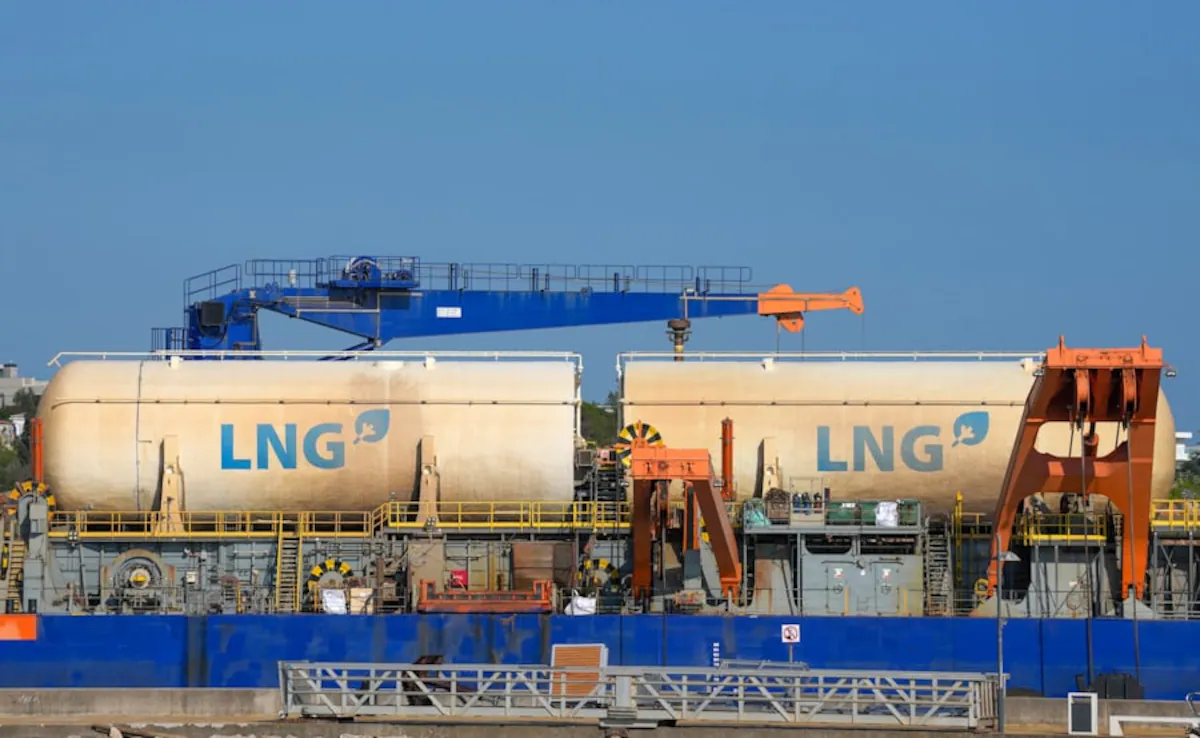
New Delhi, May 12: India has reportedly declined Russia’s offer to supply liquefied natural gas (LNG) cargoes that are under US sanctions, despite growing energy supply concerns triggered by escalating tensions in the Middle East.
The move reflects India’s cautious approach as it attempts to balance energy security needs with the risk of violating international sanctions, particularly those imposed by the United States on Russian energy projects.
India Avoids LNG Cargoes Linked To US Sanctions
According to sources familiar with the matter, India informed Russia that it would not purchase LNG cargoes originating from sanctioned Russian facilities during a recent meeting between Russian Deputy Energy Minister Pavel Sorokin and Indian officials.
The discussions reportedly took place during Sorokin’s April 30 visit to India, where he met Petroleum and Natural Gas Minister Hardeep Singh Puri and other government representatives.
India’s position has left one LNG cargo from Russia’s sanctioned Portovaya LNG plant stranded without a confirmed destination.
Tanker Bound For India Left In Limbo
The LNG tanker Kunpeng, which had earlier indicated India’s Dahej LNG terminal as its destination, is now reportedly near Singaporean waters without broadcasting a final port destination.
Sources said the cargo drew attention despite documentation allegedly suggesting it was non-Russian in origin. Since LNG shipments are easier to track through satellite monitoring, compliance risks remain significantly higher compared to crude oil shipments.
Why India Is Taking A Cautious Approach
India continues to remain one of the largest buyers of Russian crude oil, aided by temporary sanction relaxations introduced amid the global energy crisis. However, LNG cargoes present greater legal and financial risks because they are harder to reroute or conceal.
Experts noted that while crude oil can be transferred between ships at sea to obscure origins, LNG shipments move through dedicated infrastructure and are closely monitored globally.
As a result, Indian energy companies are reportedly reluctant to engage in transactions involving sanctioned LNG cargoes.
Russia Looking For Long-Term Energy Deals
Despite the setback, Russia is continuing discussions with India for long-term LNG supply agreements and exports of fertilisers such as potash, phosphorus, and urea.
India is reportedly open to buying non-sanctioned Russian LNG, but most of those supplies are currently committed to European markets.
Meanwhile, China remains a major buyer of both sanctioned and non-sanctioned Russian LNG cargoes.
Middle East Crisis Raises Supply Fears
India’s energy concerns have intensified following disruptions linked to the ongoing Iran conflict and uncertainty surrounding shipping routes through the Strait of Hormuz.
Before the escalation in tensions, India imported nearly half of its natural gas requirements, with around 60% of those imports passing through the Strait of Hormuz. More than half of India’s crude oil imports also moved through the same route.
The supply concerns have prompted calls for fuel conservation and reduced import dependence.
PM Modi Urges Fuel Conservation
Prime Minister Narendra Modi recently urged citizens and businesses to conserve fuel and foreign exchange reserves by promoting work-from-home practices, reducing unnecessary foreign travel, and cutting imports of non-essential commodities such as gold and edible oil.
The government is also reportedly considering emergency measures to protect India’s foreign exchange reserves amid rising energy costs and global uncertainty.
