
Biochar Emerges As Game-Changer For Hilly Farming, Nagaland University Study Shows Low-Cost Climate Solution

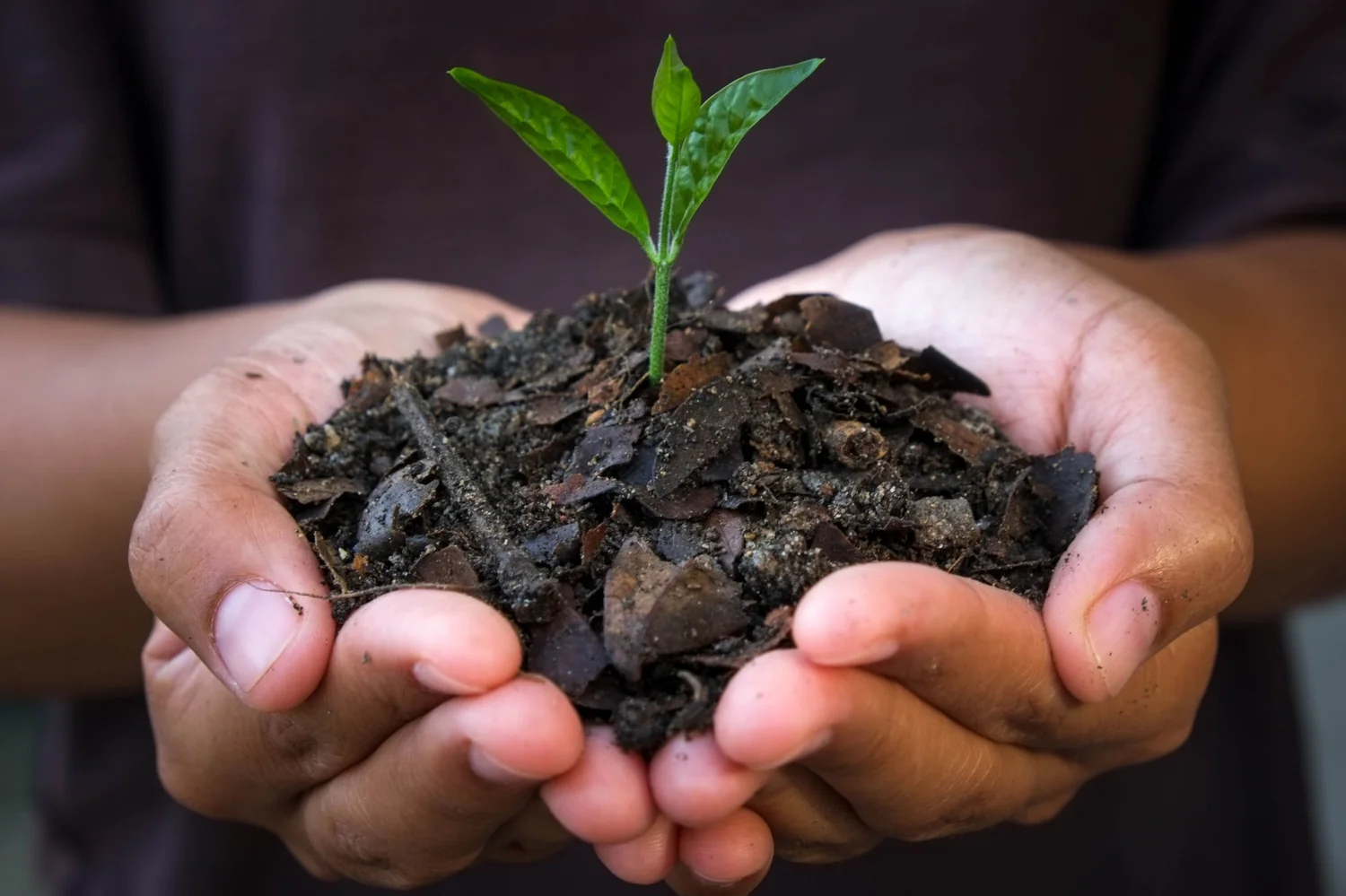
New Delhi, May 10: A new international research study led by Nagaland University has highlighted biochar as a low-cost, sustainable solution to tackle water scarcity and soil degradation in hilly agricultural regions of India, particularly in Nagaland.
The study, conducted in collaboration with researchers from University of Johannesburg, Amity University, and Parul University, demonstrates how agricultural waste can be converted into a carbon-rich soil enhancer that significantly improves farm productivity and climate resilience.
What Is Biochar And Why It Matters
Biochar is produced by heating crop residues and organic waste in low-oxygen conditions. The process transforms farm waste into a stable, carbon-rich material that can be mixed with soil.
According to the study, biochar acts like a “sponge” in the soil, helping:
- Retain moisture for longer periods
- Reduce irrigation requirements
- Improve soil fertility
- Minimise nutrient loss from erosion
Key Solution For Hilly Agriculture Challenges
Nagaland’s mountainous terrain presents serious farming challenges, including rapid water runoff, soil erosion, and irregular rainfall patterns. Farmers often lose nutrient-rich topsoil, while dry spells lead to water stress for crops.
The researchers found that biochar can directly address these issues by improving soil structure and increasing its ability to hold water—making it especially useful for slope-based farming systems common in Northeast India.
Low-Cost And Climate-Friendly Approach
Unlike expensive irrigation systems or infrastructure-heavy solutions, biochar offers a nature-based and circular economy approach. It converts farm waste—often burned in fields—into a productive agricultural input.
The study highlights several long-term benefits:
- Higher crop yields
- Reduced dependency on chemical fertilisers
- Better soil carbon storage
- Lower environmental pollution from crop residue burning
Relevance Beyond Northeast India
Researchers say the findings have wider implications for India, especially in regions facing:
- Groundwater depletion
- Drought stress
- Declining soil health
By improving water retention and soil fertility, biochar could help farmers maintain crop productivity even during dry conditions.
Expert View
Jagadish K Patnaik, Vice Chancellor of Nagaland University, said the research aligns with efforts to develop practical and locally relevant solutions for hill agriculture.
He noted that converting farm waste into biochar not only improves soil health and conserves water but also supports climate-resilient farming and strengthens rural livelihoods in Northeast India.
Why The Study Matters
The research highlights a shift toward sustainable agriculture practices that combine waste management, climate adaptation, and productivity improvement. Scientists believe biochar could play a key role in helping small and marginal farmers adapt to changing climate conditions while reducing input costs.
