
What Was That “Extremely Severe Alert” on Your Phone? India Tests New Emergency Warning

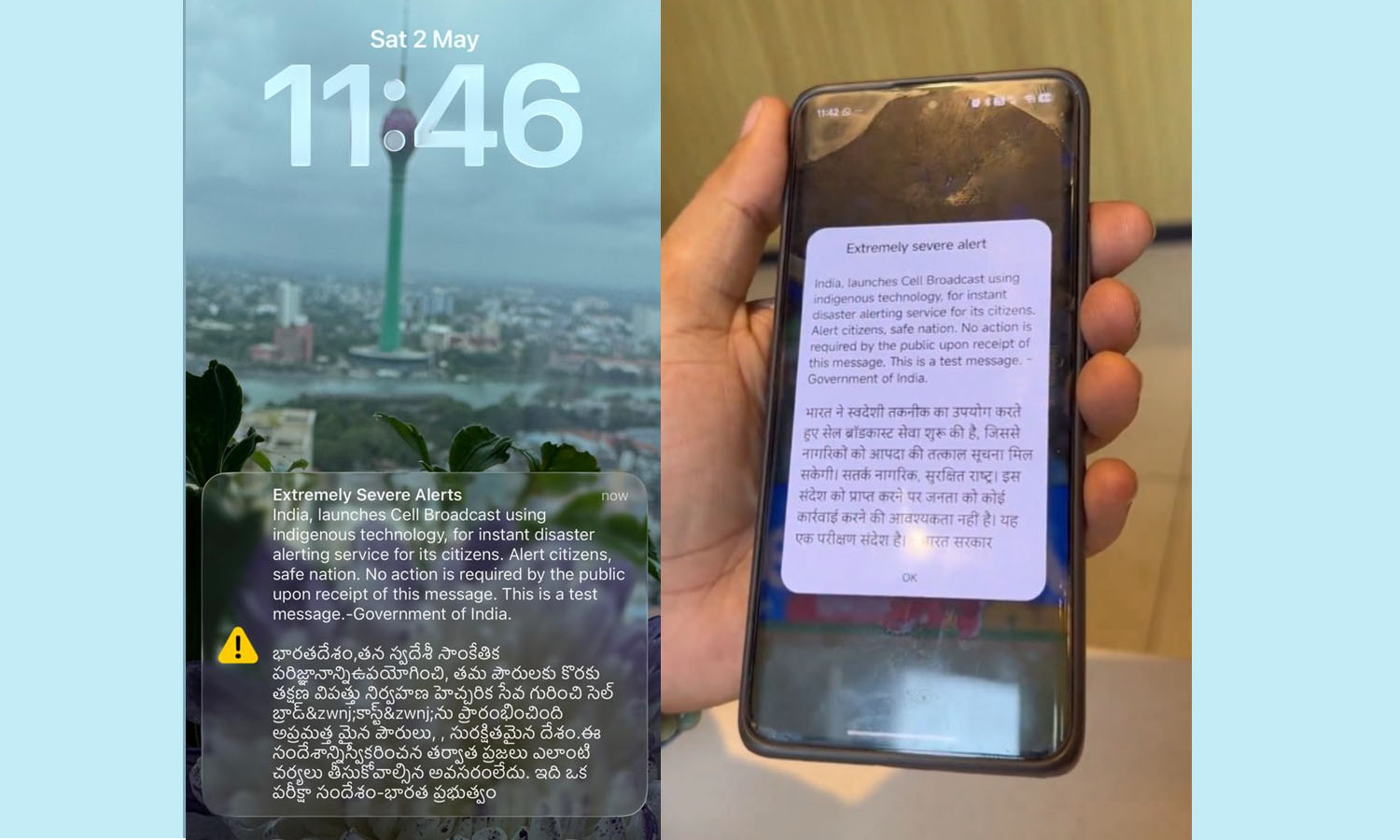
New Delhi, May 02: If your phone suddenly rang loudly on May 2 and displayed an “Extremely Severe Alert,” it was not a real emergency. It was a nationwide test of India’s new disaster alert system designed to warn citizens instantly during crises.
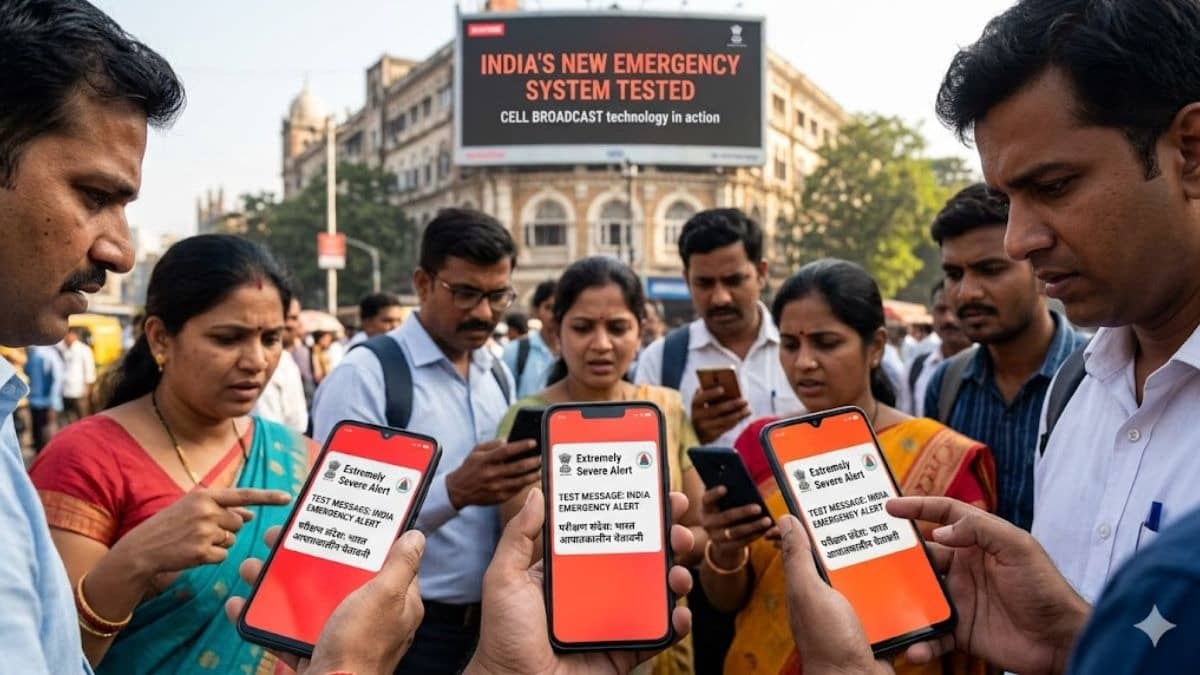
The alert was part of a Cell Broadcast System trial conducted across major cities like Delhi and Mumbai. Millions of users received the same message at the same time, causing confusion for a few seconds before officials clarified it was only a test.
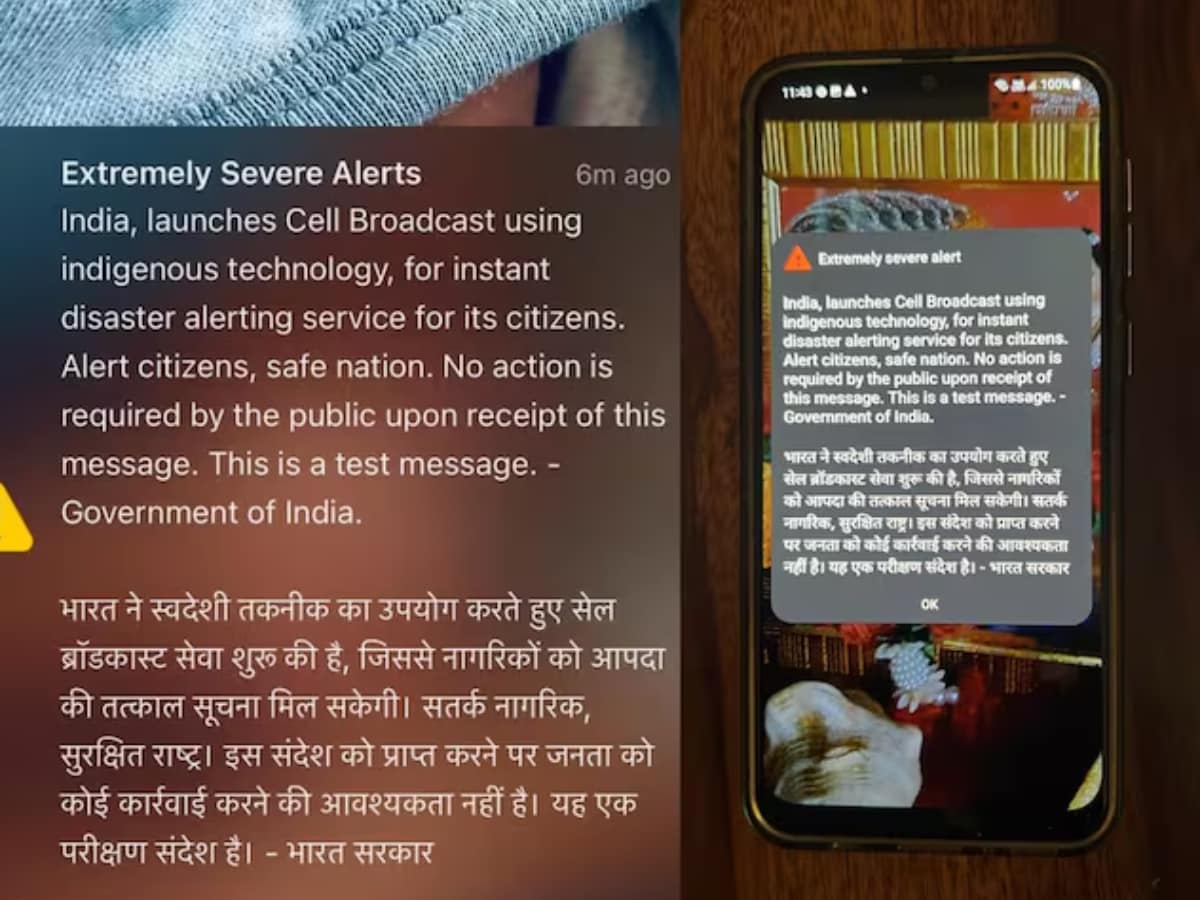
What the Alert Means
The message was generated by India’s Integrated Alert System (SACHET), developed by the Centre for Development of Telematics (C-DOT). Unlike regular SMS messages, cell broadcast alerts are sent simultaneously to all mobile phones in a specific geographic area.
This means:
- No internet or phone number is required
- All devices in the zone receive the alert at once
- Alerts can override silent mode with loud sound and vibration
Why the System Exists
The system is designed for time-critical emergencies, such as:
- Earthquakes
- Tsunamis
- Cyclones and extreme weather
- Industrial accidents like gas leaks or chemical spills
It aims to provide life-saving early warnings by reaching people within seconds, even if traditional communication networks are overloaded.
Who Is Behind It
The system has been developed under the Department of Telecommunications in coordination with the Ministry of Home Affairs and the National Disaster Management Authority. It is built on international emergency communication standards and is already active across all states and union territories.
Why the Test Was Important
Officials say the May 2 alert was a controlled drill to ensure the system works effectively before full-scale deployment. Future tests are expected, helping fine-tune how alerts are delivered across regions and languages.
What You Should Do If It Happens Again
For test alerts, no action is required. But in a real emergency, these alerts are intended to provide immediate instructions and potentially life-saving warning time.
In short, the loud notification was not a cause for panic it was a rehearsal for situations where seconds can make a critical difference.
