
Special Dollar Window Opened by RBI For 3 State-Run Oil Marketing Companies

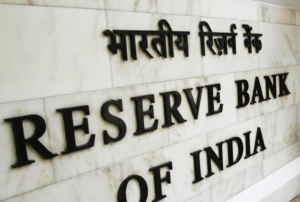
Mumbai, Oct 10: The Reserve Bank of India (RBI) has opened a special dollar window to meet the entire daily foreign currency requirements of three state-run oil marketing companies (OMCs), as the central bank steps up efforts to manage pressure on the rupee.
The facility will cover Indian Oil Corporation (IOC), Hindustan Petroleum Corporation (HPCL) and Bharat Petroleum Corporation (BPCL) from 12 October. Under the arrangement, the RBI will sell US dollars to the companies through designated banks.
The central bank said the facility would remain operational until further notice, based on its assessment of prevailing market conditions.
The move is intended to redirect a significant source of dollar demand away from the spot foreign exchange market. Public sector oil marketing companies require substantial amounts of foreign currency to pay for crude oil imports, making them important participants in India’s dollar market.
By directly meeting their daily dollar requirements, the RBI can reduce the need for these companies to purchase dollars in the open market, potentially easing immediate pressure on the rupee.
The facility comes as the Indian currency faces sustained weakness amid elevated oil prices, global financial market pressures and demand for dollars from importers. The rupee has depreciated by more than 7 per cent this year, according to market reports.
However, the arrangement also means the RBI will supply dollars from its foreign exchange reserves, making reserve movements an important factor to monitor as the facility continues.
The special window is part of a broader set of measures announced by the RBI to address volatility in the foreign exchange market. The central bank has also tightened rules governing rupee-linked foreign exchange derivatives to curb excessive speculative activity and strengthen risk management.
Among the changes, the threshold for certain derivative transactions that can be undertaken without establishing underlying exposure has been reduced from USD 100 million to USD 5 million. The RBI has also introduced restrictions on the rebooking of cancelled foreign exchange derivative contracts.
The measures come as the central bank seeks to contain currency volatility while maintaining orderly market conditions. While direct dollar supplies to oil companies could ease one source of demand, the rupee’s trajectory will continue to depend on crude oil prices, capital flows and broader global currency movements.
