
Rail-Cum-Road Ganga Bridge: Tender Process Underway, Bids Likely To Be Opened In September

By Arun Kumar Das
New Delhi, Jul 7 (BVI): Aiming at addressing severe congestion along the busy Varanasi-Pt Deen Dayal Upadhyaya (DDU) corridor, which is crucial for transporting coal, cement, food grains, and other goods, the Railways is going ahead of the construction of the ambitious double-decker rail-cum-road bridge over the Ganga River in Varanasi at an estimated cost of Rs 2642 cr.
Approved by the Union Cabinet in October 2024, the bridge is a key component of the Varanasi-DDU multitracking project, aimed at significantly boosting regional connectivity and logistics efficiency.
Currently, the project is in its pre-construction phase, with tendering processes underway and critical technical assessments ongoing.
In a recent site visit, senior railway officials inspected the proposed site of the project in Varanasi and reviewed preparatory works including traffic rerouting plans, land acquisition challenges, utility shifting, and approach road alignments.
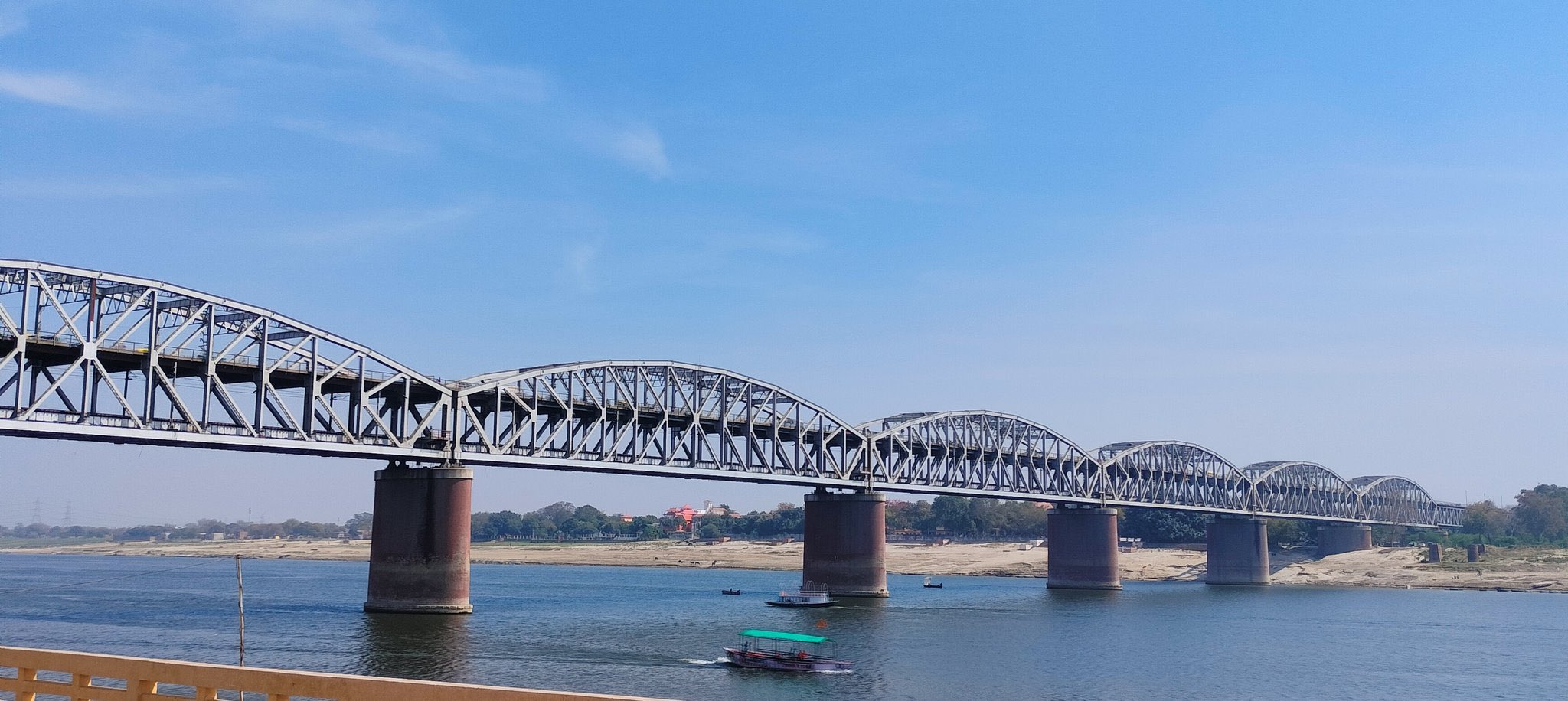
Stretching over 1 km, the bridge is designed with two tiers, four railway tracks on the lower deck and a six-lane highway on the upper deck, engineered for a service life of 150 years. The structure will rise approximately 50 metres downstream from the existing Malviya Bridge, connecting Varanasi with the DDU Junction, a major hub for both freight and passenger traffic.
According to officials, tender bids are expected to be opened by August 2025, followed by finalisation of contract by November, paving the way for construction to begin soon after.
The bridge is targeted for completion within four years.
With the addition of the third and fourth railway lines and the modern bridge, Indian Railways expects to boost line capacity and streamline operations.
Once operational, the route is projected to handle up to 27.83 million tonnes of freight annually.
Aligned with the PM Gati Shakti National Master Plan for integrated infrastructure, the project is also anticipated to generate nearly 10 lakh human days of employment during construction, contributing to local economic development.
