
Karnataka Govt launches project to recharge 272 lakes, initiative to benefit farmers

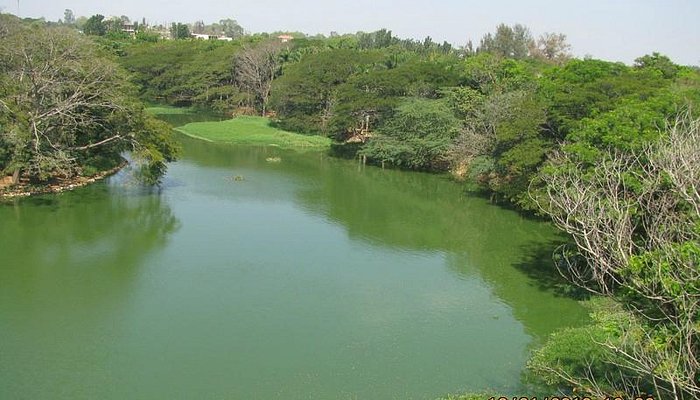
Benguluru, Sep 5 (BVI) In a major initiative to augment water supply for the agricultural sector in Karnataka, the state government has launched an ambitious project that would recharge 272 lakes at a cost of Rs 446 crores in water-starved districts using treated wastewater.
Inaugurating Phase 2 of the Koramangala–Challaghatta (KC) Valley project, aimed at recharging 272 lakes in water-starved districts using treated wastewater, Karnataka Chief Minister Siddaramaiah said this project is a major green initiative.
Since there are no rivers in the Kolar and Chikkaballapur regions, the project will greatly benefit farmers, he said.
An earlier assessment by IISc’s Centre for Sustainable Technologies found that the KC Valley project has led to a 58–73% rise in groundwater levels, tenfold increase in daily groundwater recharge rates, improved water quality, and enhanced agricultural productivity in Kolar and Chikkaballapur, according to a report in the Frontline.
Related Posts
The project transforms Bengaluru’s treated sewage into a sustainable resource under the “Reuse, Recharge, Restore” (RRR) model—a prime example of circular economy in action.
Experts have long highlighted local lake rejuvenation with tertiary-treated water as a practical solution to Karnataka’s water disputes, reducing reliance on distant reservoirs and mitigating high costs and inter-district conflicts.
“This water is not meant for drinking. However, the groundwater level in the areas around the lakes has improved significantly,” the Chief Minister said.
By tapping into this green framework, Siddaramaiah’s administration has repurposed excess treated water into a lifeline for parched regions.
Several new valley-based projects including the KC Phase-2, Hebbal-Nagawara Valley, and Vrishabhavathi Valley are expanding this vision, targeting hundreds more lakes and reinforcing drought resilience across Bengaluru’s peri-urban and rural hinterlands. (BVI)
