
Costs, lack of availability hampering access to subsidies for affordable housing

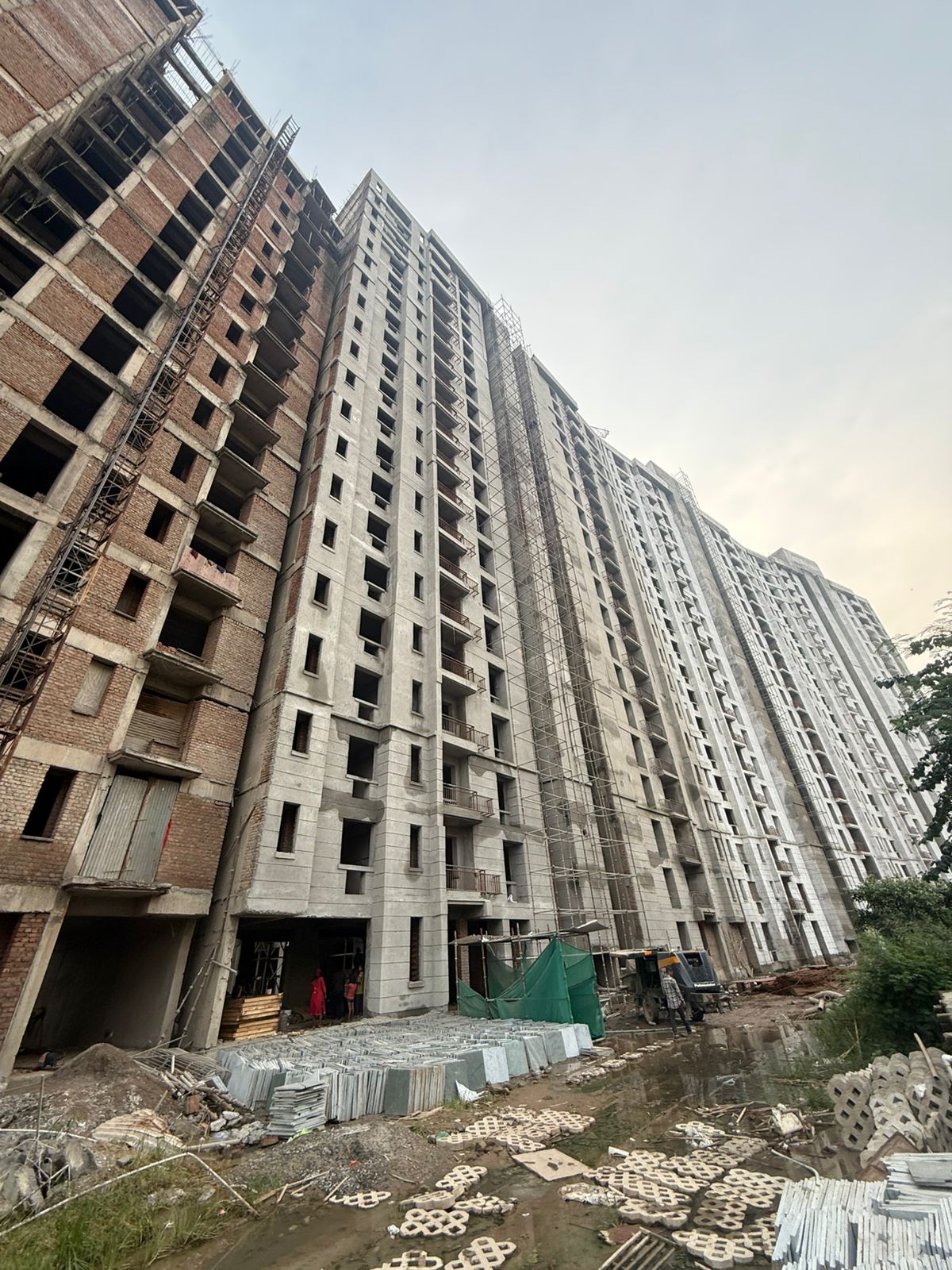
New Delhi: The costs and lack of availability of affordable houses are emerging as key constraints for lower-income people to access subsidies meant for such a purpose.
The Niti Aayog’s affordable housing framework points to gaps across housing supply, rental markets, urban planning and access to capital.
The report says affordable housing demand is unlikely to be met by market forces alone and calls for structural changes to improve land supply, rental housing, building norms and financing.
Its findings also point to a mismatch between the homes being produced and the ability of households to afford them.
Niti Aayog says 85 per cent of households in metropolitan areas cannot afford a 30 sq m home even after subsidy, highlighting the gap between household purchasing capacity and formal housing prices.
The report also notes that a large proportion of EWS and LIG households lack stable incomes or formal credit histories, making access to housing finance difficult.
The report estimates that nearly 1 crore urban homes are vacant, with low rental yields, tenancy restrictions and litigation risks preventing a portion of the existing stock from entering the formal rental market.
The report says rental returns in most Indian cities are typically only 2-3 per cent of property value annually.
Land can account for 40–50 per cent of project expenses in metropolitan areas, making the way cities plan and use developable land central to housing affordability.
Niti Aayog has proposed zoning reforms, higher development potential, Transit-Oriented Development, TDR and land banks to expand affordable housing supply.
Niti Aayog’s market analysis shows that housing supply has shifted towards high-end and luxury segments while the affordable segment has declined.
The report also points to a widening gap between housing supply and demand, particularly as undersupply could put further pressure on affordability.
The report identifies access to capital as a major constraint for both buyers and developers, noting that affordable housing is often perceived as a higher-risk, lower-return segment.
It has proposed measures including credit guarantees, lower-cost funding and incentives aimed at improving project viability. (BVI)
