

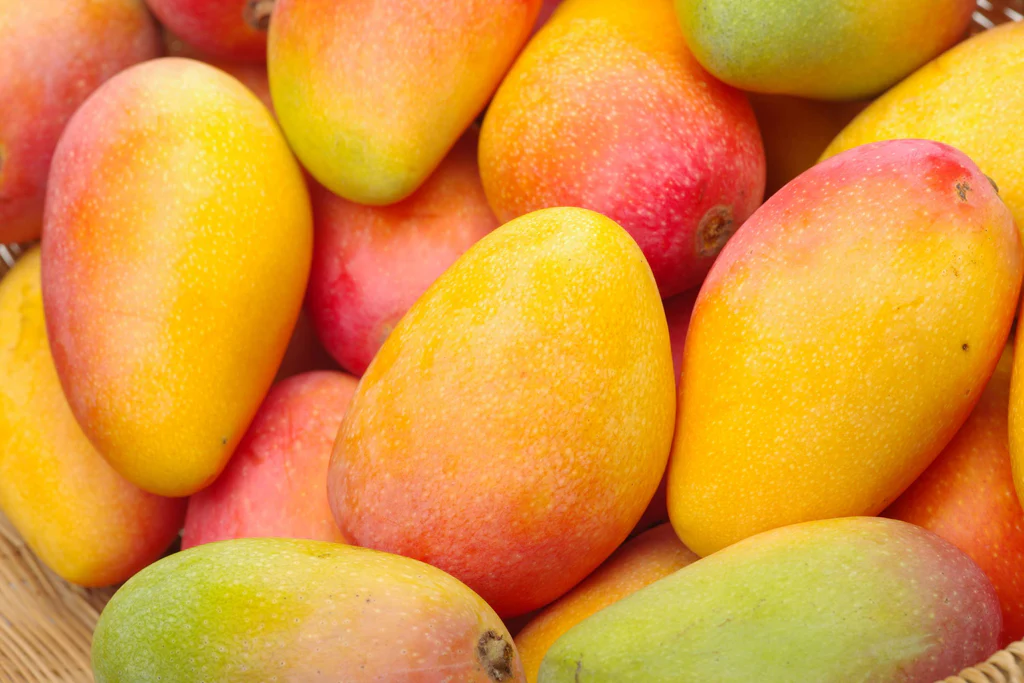
New Delhi, June 10: There is further bad news for Indian Mango exporters.
After Japan, it is Nepal which has suspended import of Indian mangoes after quarantine inspectors allegedly found pesticide residue levels exceeding permissible limits in consignments entering the country.
The restriction has been imposed by Nepal’s Ministry of Agriculture and Livestock Development and is effective since April-May, according to a media report.
The Nepali government has said the move would encourage the country’s domestic fruit growers and improve food safety standards.
“The federal government’s decision will provide additional encouragement to local production, while citizens will have access to healthier and safer produce,” Manish Kumar Pal, spokesperson of the Ministry of Land Management, Agriculture and Cooperatives of Madhes Province, has said in an interview with ‘The Rising Nepal’.
Focus on Pesticide Management
Indian mangoes are exported to several countries, including the United States, the United Arab Emirates, the United Kingdom, the Netherlands and Saudi Arabia.
Nepal is not among India’s largest export destinations for this fruit.
However, the decision of Nepal, which follows a similar one by Japan, has put renewed focus on pesticide management and quality-control practices within India’s fruit supply chain.
Last month, it was Japan which suspended imports of mangoes because of the similar concerns, marking the first such restriction in two decades by that country.
The Japanese decision came after its quarantine authorities identified irregularities at treatment and production facilities in India.
In March, a Japanese inspection team visiting Rehmanpur in Uttar Pradesh reportedly found deficiencies in fumigation procedures and related disinfection measures.
Subsequently, the Yokohama Plant Protection Association, a public-interest organisation supporting quarantine operations, informed stakeholders that mango consignments carrying inspection certificates issued by India on or after 25 March would no longer be accepted.
The association stated that Indian mangoes would be permitted only after operational standards were improved.
Japan had previously prohibited Indian mango imports in 1986 following concerns over fruit fly infestations. The restriction was lifted after 20 years, allowing exports to resume.
The back-to-back actions by Nepal and Japan highlight growing international scrutiny of food safety and phytosanitary standards in agricultural exports, a challenge that could require stronger compliance mechanisms across India’s fruit export ecosystem.
More worrying is the fact that the restriction comes during a difficult season for mango growers in Maharashtra’s Konkan region.
Producers of Alphonso mangoes have reported crop losses of up to 90 per cent due to unseasonal rainfall and intense heatwaves. (BVI)
