
Samsung Faces Massive Worker Strike After Wage Talks Collapse

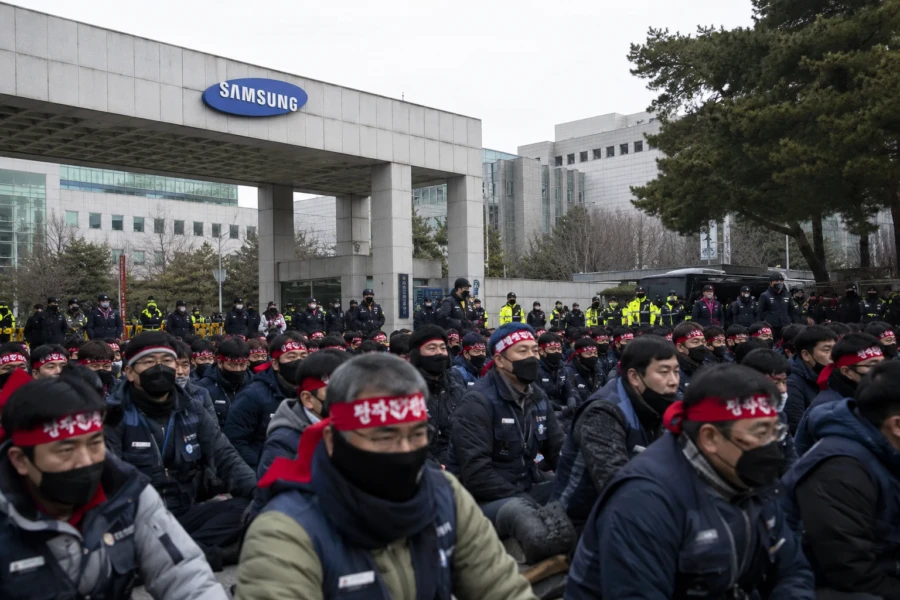
New Delhi, 20 May: Samsung Electronics is facing a major labour crisis after wage negotiations with its workers’ union failed to reach an agreement. The union has now announced an 18-day strike, raising concerns over disruptions in global semiconductor production and economic impact in South Korea.
Wage Talks End Without Agreement
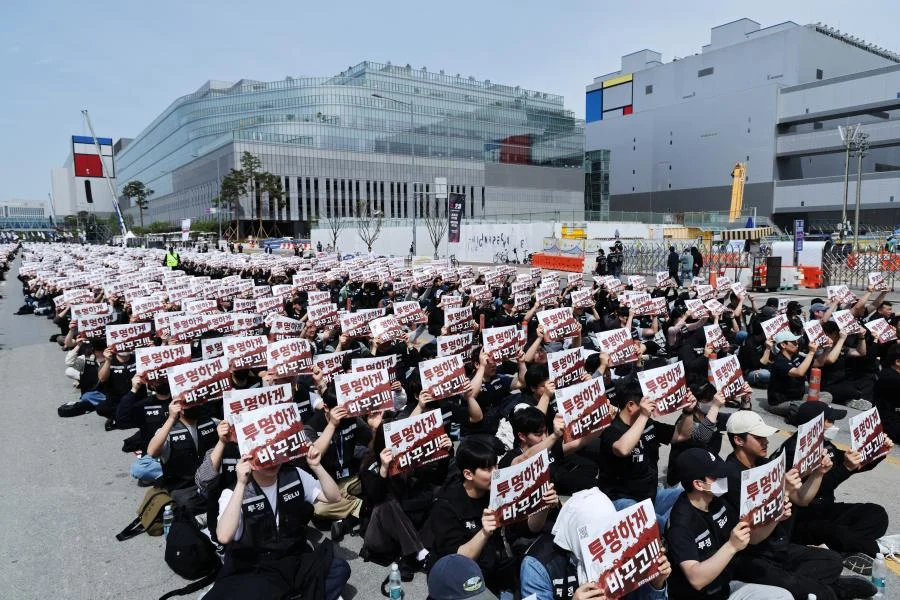
Negotiations between Samsung management and union leaders broke down after both sides failed to agree on compensation demands. The union, representing nearly 74,000 workers, accused the company of refusing to accept a government-mediated proposal.
Samsung management, however, argued that the demands were excessive given the cyclical nature of the semiconductor business.
Workers Announce 18-Day Strike
)
Following the failed discussions, union leaders confirmed that employees would begin an 18-day strike starting Thursday. The move is expected to impact operations at one of the world’s largest electronics and semiconductor manufacturers.
Why the Strike Matters Globally
Samsung, along with SK Hynix, produces a major share of the world’s memory chips. Demand for semiconductors has surged globally due to rapid growth in artificial intelligence technologies.
Any prolonged disruption in production could affect global supply chains for smartphones, consumer electronics, and AI infrastructure.
Government Warns of Economic Fallout
South Korean officials warned that the strike could result in major economic losses if semiconductor production is interrupted. Authorities are reportedly considering emergency measures to maintain critical industrial operations.
A local court has also imposed restrictions on strike activities near key facilities to prevent operational damage.
Profit Boom Sparks Pay Dispute
The labour dispute intensified after Samsung reported a sharp jump in quarterly operating profits driven by AI-related chip demand. Union leaders are seeking a larger share of profits through higher bonuses and removal of bonus caps.
