
Samsung Galaxy Watches May Soon Alert Users Before Fainting

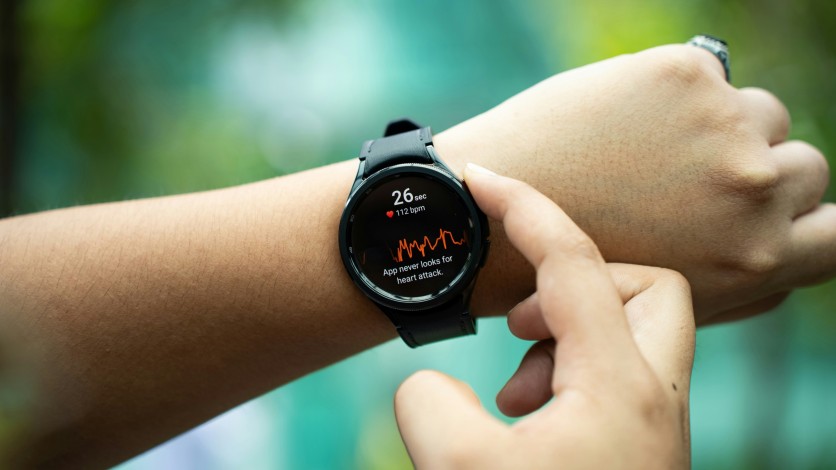
New Delhi, May 09: Samsung Electronics is exploring new health-monitoring capabilities for its smartwatches that could potentially alert users before fainting episodes occur, according to a recent clinical study conducted in South Korea.
The research, carried out in collaboration with Chung-Ang University Gwangmyeong Hospital, focused on patients experiencing vasovagal syncope, a common condition that causes sudden fainting due to changes in heart rate and blood pressure.
The study evaluated over 130 patients using the Samsung Galaxy Watch 6, which uses a photoplethysmography (PPG) sensor to track blood flow and heart rate variability. This data was then processed using an AI-based algorithm designed to detect early warning signs of fainting.
Promising Early Results
Researchers reported that the smartwatch was able to predict fainting episodes several minutes in advance with:
- 84.6% prediction accuracy
- 90% sensitivity
- 64% specificity
These results suggest the device may be capable of identifying physiological changes before a fainting event occurs, potentially allowing users to take preventive action.
What It Could Mean for Health Monitoring
Fainting caused by vasovagal syncope is generally not life-threatening but can lead to injuries from sudden falls. Being able to detect early warning signs could improve safety for individuals prone to such episodes.
Samsung’s health R&D team described the findings as a step toward shifting wearable technology from reactive health tracking to preventive care.
Important Limitations
However, researchers noted that the study has not yet undergone peer review, and further large-scale testing especially outside hospital settings is needed to confirm the results.
Samsung has not yet announced when or how this feature might be integrated into consumer devices but has indicated plans to expand health-monitoring capabilities in future Galaxy wearables.
