
Pakistan to get $1.32 Billion Loan from IMF despite India’s Terror Funding Concerns

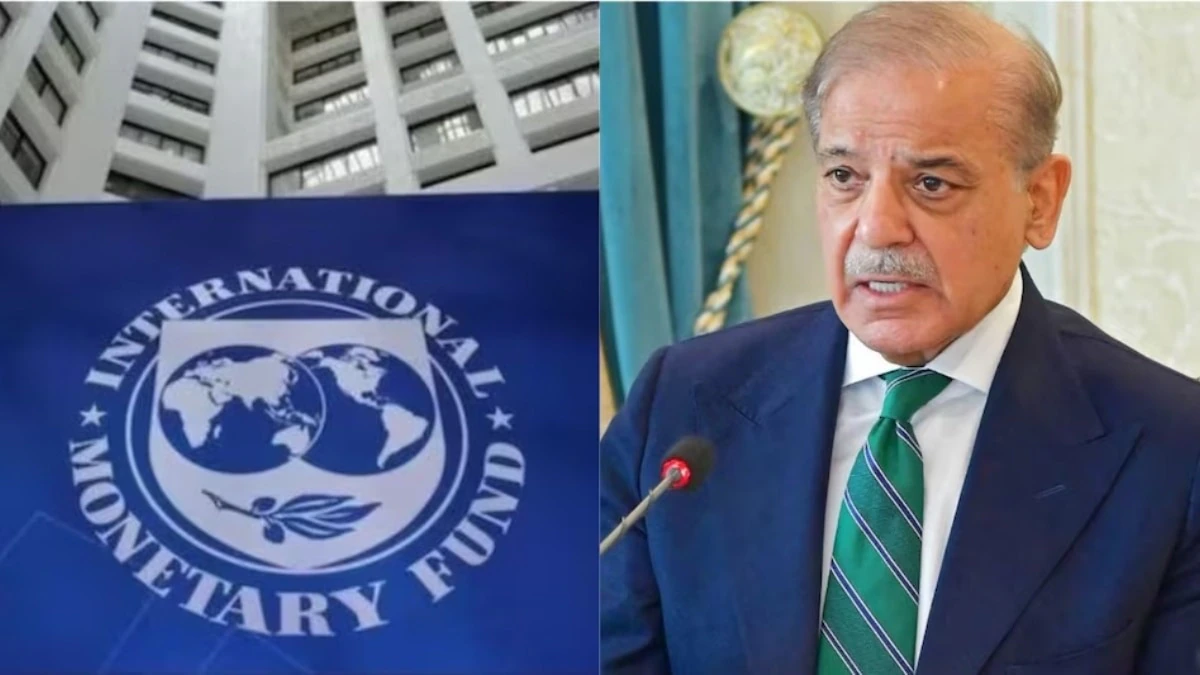
New Delhi, May 09: The International Monetary Fund (IMF) has officially approved a disbursement of approximately $1.32 billion loan to Pakistan, marking a significant milestone in the country’s ongoing economic recovery.
Despite formal objections raised by Indian representatives regarding regional security and terror financing, the IMF Executive Board concluded that Pakistan has met the necessary reform benchmarks required to trigger the next phase of financial support.
A Multilateral Lifeline
The funding arrives through two distinct channels. Pakistan is set to receive $1.1 billion under the Extended Fund Facility (EFF), which focuses on long-term structural reforms, and an additional $220 million from the Resilience and Sustainability Facility (RSF). This latest injection brings the total amount disbursed under these ongoing programs to a staggering $4.8 billion, providing a critical buffer for the nation’s depleted foreign exchange reserves.
Signs of Stabilization
The IMF’s decision follows a comprehensive review of Pakistan’s economic performance. According to the board, the country has shown “gradual recovery” after a period of intense volatility characterized by skyrocketing inflation and a severe liquidity crunch. The global lender noted that fiscal discipline has improved and inflation while still a challenge has finally begun to trend downward, offering a glimmer of hope for broader economic growth in the coming fiscal quarters.
The Diplomatic Friction
The approval process was not without geopolitical tension. Indian representatives reportedly used the board meeting to voice strong opposition, citing persistent concerns over terrorism financing. India argued that continued financial assistance could be diverted, impacting regional stability. However, the IMF board ultimately prioritized Pakistan’s adherence to the technical economic “road map” agreed upon during the bailout negotiations, allowing the funds to be released despite the diplomatic pushback.
The Road Ahead: Taxes and Energy
While the news was welcomed in Islamabad as a boost for investor confidence, the IMF issued a stern reminder: the work is far from over. To maintain stability, Pakistan is expected to stay the course on “tough” reforms. This includes narrowing the tax gap, addressing the massive financial “leakages” within the energy sector, and keeping monetary policy tight to ensure inflation does not rebound. The government has reaffirmed its commitment to these measures, viewing the IMF’s nod as a validation of its current reform trajectory.
