
Britannia to Raise Prices in FY27 Amid Rising Freight Costs; Stock Dips 5%

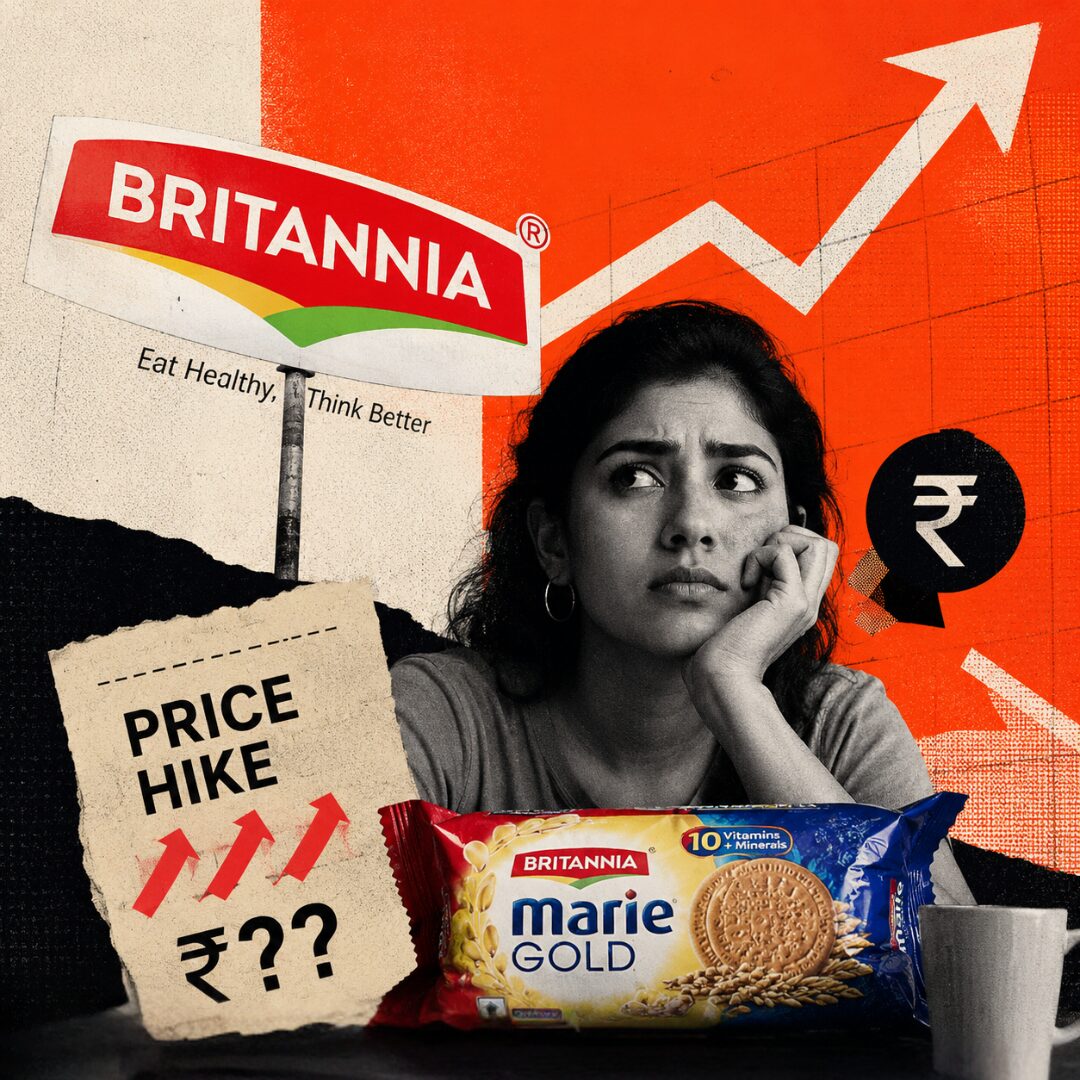
New Delhi, May 08: It’s a classic “good news, bad news” sandwich for Britannia Industries. While the FMCG giant reported a solid 20% jump in quarterly profits, the stock market gave it the cold shoulder on Friday morning, with shares sliding 5% to a three-week low. The reason? Investors aren’t looking at the past quarter’s gains—they’re looking at the rising cost of your morning chai-time snacks.
The Cost of Conflict at the Breakfast Table
While the company’s consolidated profit hit ₹678 crore, the shadow of the US-Iran conflict is looming large over the balance sheet. Britannia warned that the war has triggered a “significant increase” in fuel costs and ocean freight rates. For a company that relies on global supply chains for everything from cocoa to palm oil, these logistical hurdles are making it increasingly expensive to get biscuits from the factory to your local kirana store.
Brace for “Calibrated” Price Hikes
Starting in the first quarter of FY27, consumers should prepare to pay a bit more for their favorite treats. Britannia announced it is initiating “calibrated price increases” to battle the soaring costs of raw materials like flour, edible oils, and cocoa. While the company hasn’t specified exactly how much prices will go up, history suggests they might use a mix of direct price bumps and “shrinkflation”—where you pay the same price but get a few fewer biscuits in the pack.
A Slowdown in Sales Momentum
Investors are also jittery about a noticeable slowdown in sales growth compared to the previous quarter. Despite the profit surge, the cooling demand suggests that inflation might already be weighing on the average Indian household’s wallet. To counter this, Britannia plans to optimize its sourcing between Indian and overseas plants by mid-May, hoping to ease supply chain pressures and keep the momentum from stalling further.
Markets Vote with a “Sell” Button
Despite the strong Q4 bottom line, the stock market focused on the uncertainty ahead. The 5% drop in share price reflects a cautious outlook on how consumers will react to more expensive Marie, Good Day, and milk-based products. With raw material inflation showing no signs of cooling, the challenge for Britannia will be maintaining its fat profit margins without losing its “mass-market” appeal to budget-conscious shoppers.
