
Did Prada Copy India’s Traditional Footwear? Why Artisans Are Angry

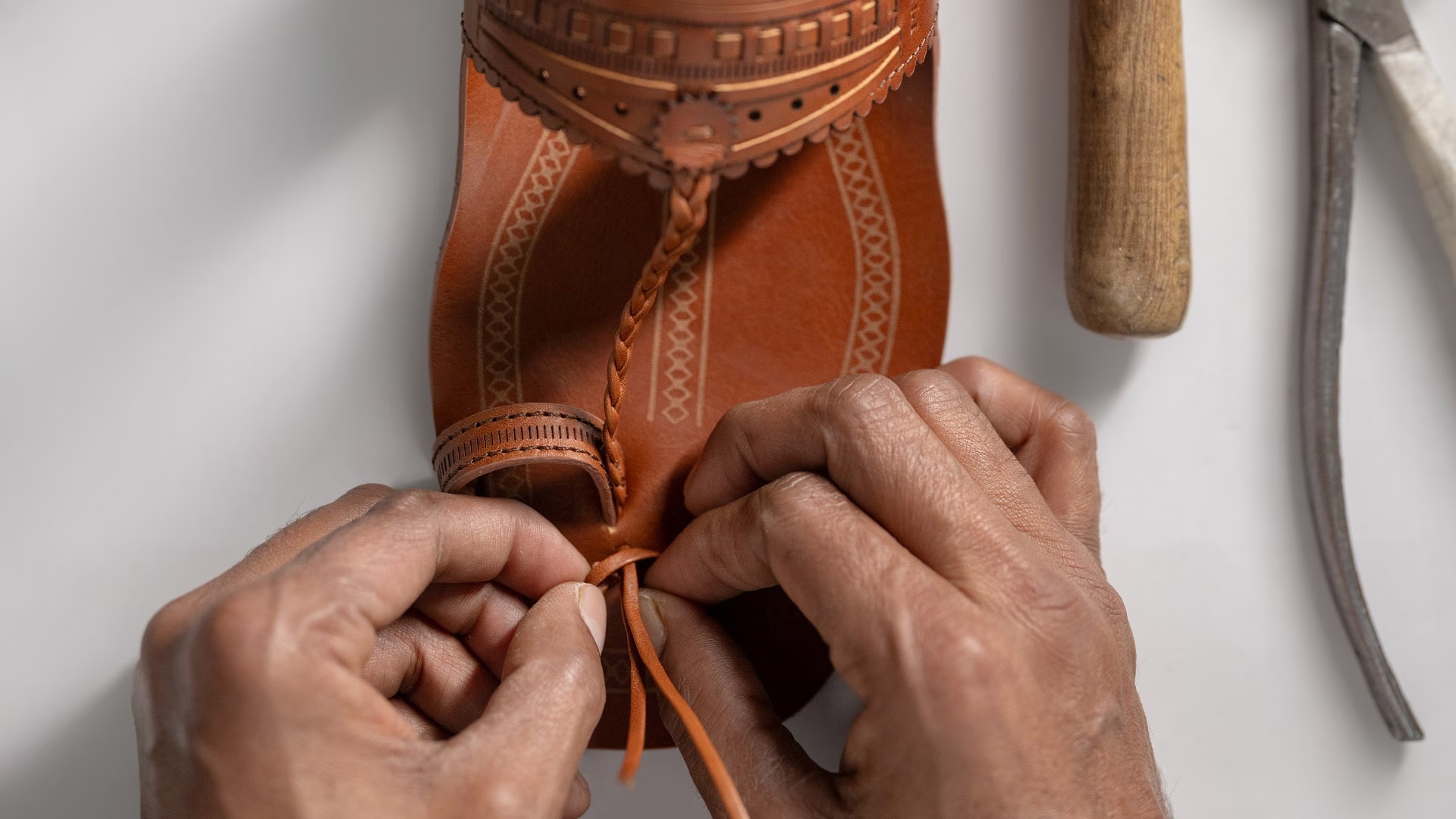
New Delhi April 29: Luxury fashion house Prada is once again facing sharp criticism after unveiling its latest line of Kolhapuri-inspired sandals priced at around ₹84,000 sparking renewed debate over cultural credit, craftsmanship, and pricing.
What Sparked the Backlash?
The controversy traces back to Prada’s Spring/Summer 2026 showcase in Milan, where sandals resembling traditional Kolhapuri chappals appeared without acknowledging their Indian origins. These handcrafted leather sandals, deeply rooted in Maharashtra and Karnataka, have a history dating back centuries and carry a Geographical Indication (GI) tag.

At the time, reports suggested prices exceeding ₹1 lakh per pair, intensifying outrage in India. Critics accused the brand of appropriating a culturally significant design without giving due credit.
What Has Prada Changed Now?
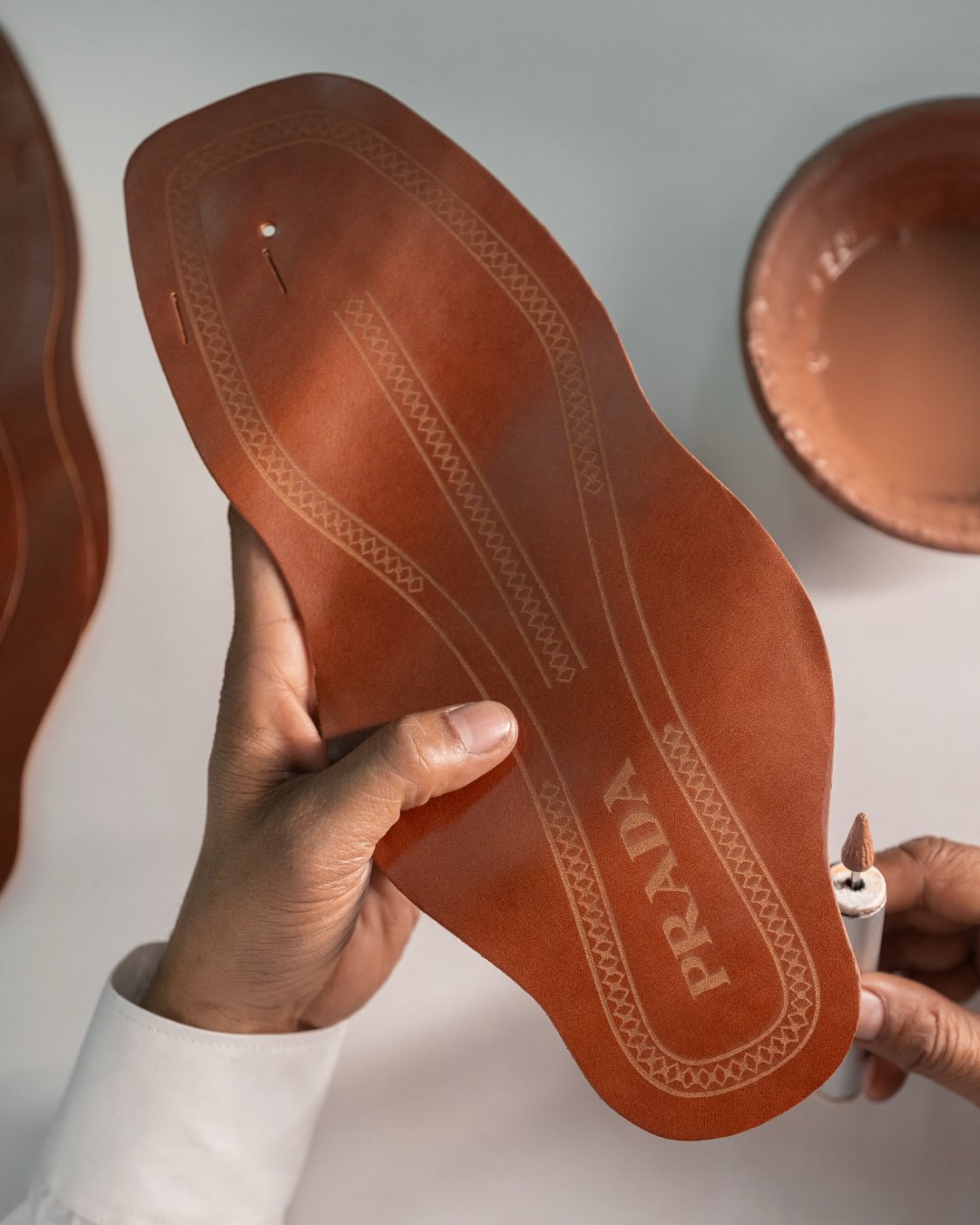
In response, Prada has launched a “Made in India × Inspired by Kolhapuri Chappals” collection. The company says the sandals are now being produced in collaboration with artisan groups such as LIDCOM (Maharashtra) and LIDKAR (Karnataka).
It has also introduced a fully funded training programme in partnership with institutions like National Institute of Fashion Technology (NIFT), aiming to support artisans across key Kolhapuri craft districts.
Why Are Critics Still Unimpressed?
Despite these steps, many critics see the move as too little, too late. Social media reactions suggest that people view the collection less as a tribute and more as a repackaging of an original Indian design under a global luxury label.
Some of the strongest criticism centers on:
- Authenticity vs “Inspiration”: Many argue the designs are indistinguishable from original Kolhapuri chappals, questioning the use of the word “inspired.”
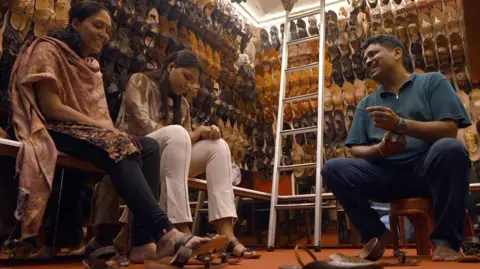
- Pricing Disparity: Traditional Kolhapuri chappals are typically sold at a fraction of the price, raising concerns about who truly benefits from the markup.
- Cultural Credit: Critics say acknowledgment should have come from the start—not after public backlash and legal scrutiny.
The Bigger Debate
This controversy taps into a larger global conversation around cultural appropriation in fashion. When does inspiration cross the line into exploitation? And how should global brands collaborate with traditional artisans in a way that is fair, transparent, and respectful?
Also read: Gold demand rose globally in last 3 months; India, China leading in buying spree
While Prada’s new partnerships and training initiatives may signal a step toward course correction, public sentiment suggests that trust, once lost, is harder to rebuild.
